

On this page

Smoking Weed and Your Lungs – An Overview
Yes. Smoking weed can damage your lungs.
Any smoke irritates and inflames your airways. Cannabis smoke contains a lot of the same toxins and carcinogens found in tobacco smoke. That irritation can lead to cough, extra mucus, and bronchitis symptoms. People commonly notice these symptoms improve after they stop smoking.
Even though some see cannabis as natural, smoke from any plant material still irritates your lungs.
Takeaway: Smoking weed harms your lungs by irritating and inflaming your airways.
How Smoking Weed Affects the Lungs in the Short Term
Right away, hot smoke hits the lining of your throat and bronchi. Your body reacts fast: you cough, make more mucus, and can feel chest tightness or wheeze.
THC can briefly relax the airways, but the smoke itself still irritates the tissue. The method doesn’t remove that risk. Joint, blunt, pipe, or bong — it’s still smoke. Even cooled smoke still carries irritants into your lungs.
If you notice a harsh cough or a raw feeling after a session, that’s airway irritation at work. These effects can be more noticeable if you have asthma or another lung condition; smoked cannabis can make asthma control harder even if THC briefly opens airways.
Over time, that repeated irritation can turn into more lasting lung changes.
Takeaway: Minutes after smoking, airway irritation can trigger cough, mucus, and wheeze.
Long-Term Effects of Smoking Weed on Lungs
Repeated smoke exposure can change how your lungs feel and work over time.
Chronic bronchitis and mucus buildup
Regular, heavy cannabis smoking is linked to chronic bronchitis: a long-lasting cough, daily phlegm, and wheeze. Smoke irritants inflame the airways and damage cilia (tiny cleaners), so mucus builds up. These symptoms usually improve after quitting.
Emphysema and “bong lung” (bullae)
Some heavy, long-term users develop large air pockets (bullae) and early emphysema-like changes. In rare cases, a bulla can burst and cause a collapsed lung. This is mostly seen in very heavy, long‑term users and is sometimes reported in younger adults.
Lung function and COPD risk
Unlike tobacco, marijuana-only smoking hasn’t shown the same clear drop in lung function or strong COPD link in studies. Still, heavy use can injure small airways. No smoke is “safe.” Study results are mixed and ongoing, so heavy, long‑term smoking still isn’t considered safe, even if COPD risk is less clear than with tobacco. Mixing cannabis with tobacco adds tobacco’s well‑proven risks for COPD and lung cancer and is more harmful than cannabis alone.
Lung infections and immune effects
Cannabis smoke can impair the lungs’ defense cells that help clear germs. That can raise the chance of chest infections, especially in people with weak immune systems. Mold (like Aspergillus) on contaminated cannabis has caused serious infections in immunocompromised people.
Secondhand cannabis smoke also contains similar irritants and toxins. Avoid exposing children, people with asthma, and pregnant people to smoke.
Does smoking weed cause lung cancer?
Cannabis smoke contains carcinogens, so a risk is plausible. So far, studies have not shown a clear increase in lung cancer among marijuana-only smokers. Experts say more research is needed. Caution still makes sense: inhaling any carcinogenic smoke isn’t risk-free.
Takeaway: Heavy long‑term weed use commonly leads to chronic bronchitis, and even though COPD and cancer links are less clear than with tobacco, smoke‑related irritation and risk still remain.
Marijuana vs. Tobacco – Which Is Worse for Your Lungs?
All smoke irritates your airways. Cannabis and cigarettes both produce tar and toxic chemicals when burned, but cigarette users typically have far greater daily exposure and far stronger evidence for severe lung disease.
Key takeaway: Tobacco smoke causes far more proven lung damage overall because of higher exposure and strong evidence for COPD and lung cancer; marijuana smoke still irritates airways and isn’t a safe alternative.
| Factor | Cannabis smoke | Cigarette smoke |
|---|---|---|
| Smoke toxins & tar | Shares a lot of the same irritants and carcinogens | High levels of tar and numerous proven toxins |
| Typical exposure | Less frequent use for some users | Multiple cigarettes daily for most smokers |
| Proven lung diseases | Chronic bronchitis common; COPD/cancer links less clear | Strong links to COPD, emphysema, and lung cancer |
| Lung function | Mixed findings; no clear long-term decline shown for marijuana-only | Clear long-term decline in lung function |
| Symptoms | Cough, phlegm, wheeze; symptoms often improve after quitting | Persistent cough, phlegm, breathlessness that worsens over time |
Note: Mixing cannabis with tobacco adds tobacco-specific risks and is more harmful than cannabis alone. Individual exposure varies by dose and frequency.
Takeaway: Cigarette smoke causes far more proven lung damage than cannabis overall, but marijuana smoke still irritates your airways and isn’t a safe alternative.
See the infographic below for a quick weed vs cigarette comparison:
Infographic prompt: Simple side-by-side chart titled "Weed vs Cigarettes: Lung Effects" with two columns (Cannabis | Tobacco). Include four plain bullets per side based on CDC/ALA findings. Cannabis: chronic cough/bronchitis common; many of the same toxins as tobacco; cancer link unclear; symptoms often improve after quitting. Tobacco: high risk of lung cancer; COPD/emphysema proven; clear lung function decline; heavier daily use. Use neutral icons (joint, cigarette), big readable text, no logos, light background.
Is Vaping or Using Edibles Better for Your Lungs?
Vaping cannabis avoids burning plant material, so you typically breathe in fewer combustion byproducts than smoking. Still, vaping isn’t risk-free, and long-term effects aren’t well known. Some THC vapes have been linked to serious lung injury when contaminated or misused, especially unregulated or homemade products.
Edibles, capsules, and tinctures do not affect the lungs because nothing is inhaled. For your lungs, non‑inhaled methods are the safest choice. Edibles avoid lung harm but can be easy to overdo, so follow local guidelines and your doctor’s advice.
Bongs and filters can cool smoke, but they don’t remove most toxins. If lung health matters to you, avoid smoke whenever you can.
Takeaway: Vaping can lower some toxins, but avoiding inhalation altogether with edibles or tinctures is still safest for your lungs.
Signs That Weed May Be Hurting Your Lungs
Watch for these red flags:
- Chronic cough that lasts for weeks or months
- Persistent mucus or phlegm, often worse in the morning
- Wheezing or a whistling sound when you breathe out
- Shortness of breath or reduced exercise tolerance
- Frequent bronchitis or chest infections that linger
- Chest tightness or pain
- Asthma symptoms that flare after you smoke (if you have asthma)
If these symptoms last more than a few weeks or keep coming back, talk with your doctor about your breathing and lung health.
⚠️ If you suddenly have severe chest pain, trouble breathing, cough up blood, or notice blue lips or face, seek emergency medical care right away.
Takeaway: Cough, phlegm, wheeze, and repeated chest infections point to airway irritation from weed smoke.
How to Protect Your Lungs if You Smoke Weed
Quitting or avoiding smoke is best for your lungs. If you choose to use cannabis, these steps can lower risk:
1) Try not to hold smoke in Try not to hold smoke in; holding your breath mostly adds more tar. A gentle inhale and a normal exhale are easier on your airways.
2) Cut back and take smoke‑free days Fewer smoke sessions mean less airway irritation. Spacing out use helps your lungs recover.
3) Switch methods when you can Choose edibles, capsules, or tinctures to avoid inhaling smoke. If you vape, use legal, tested products and moderate temperatures, and avoid unregulated or homemade vape products, which have been linked to lung injury.
4) Hydrate and move Water helps thin mucus. Regular light-to-moderate exercise supports breathing strength.
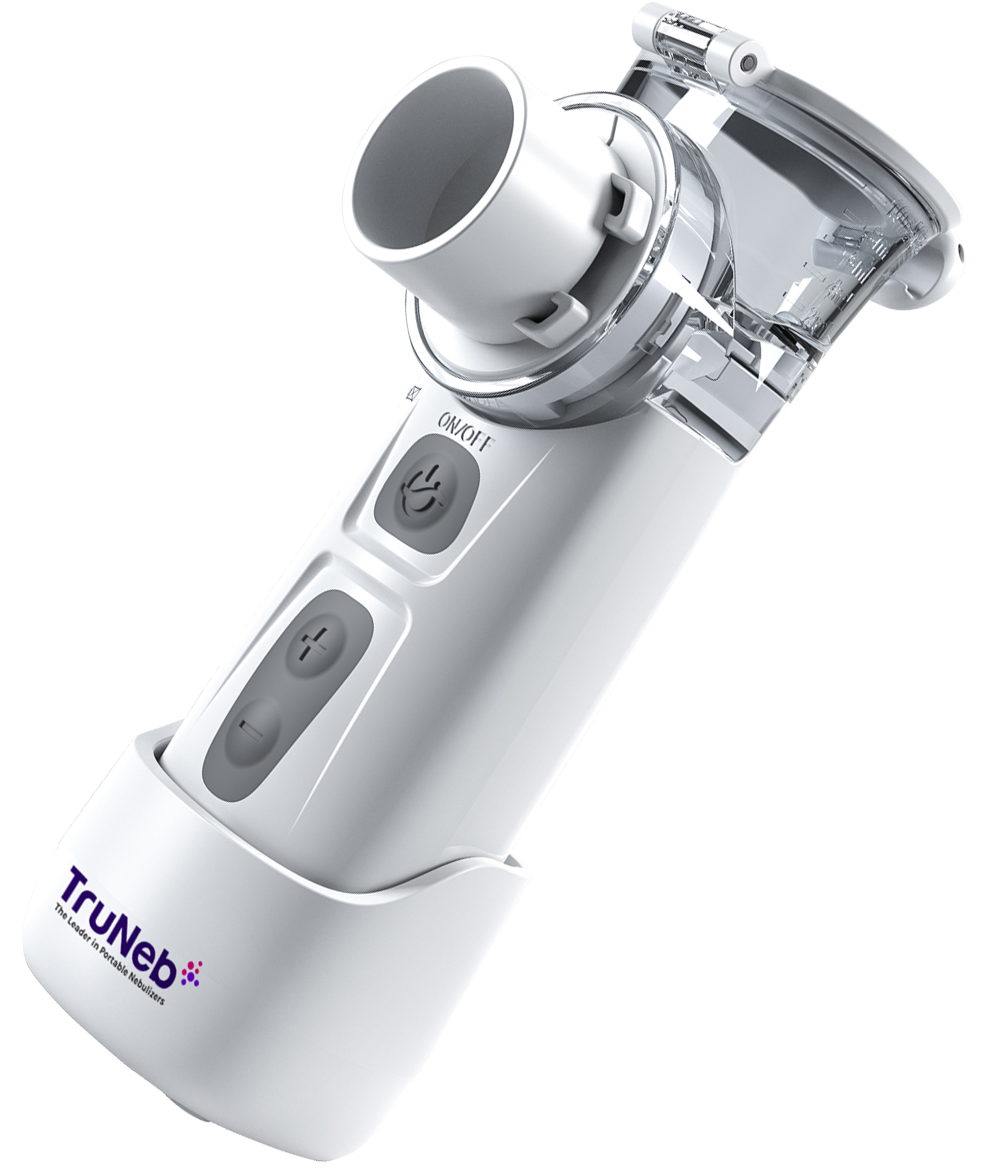
5) Support airway clearance If you deal with chronic cough and mucus, a portable mesh nebulizer like the TruNeb™ portable mesh nebulizer can deliver sterile saline or prescribed bronchodilators if your doctor prescribes them for you and as directed by your doctor. Nebulized saline may help loosen and clear mucus so breathing feels a bit easier. This does not undo smoke damage, but it can help you manage symptoms.
⚠️ Don’t use steam inhalers or essential oil diffusers to breathe in medications or cannabis — they’re not the same as a nebulizer and can irritate or burn your airways.
6) See your doctor Ask about lung function tests and personalized advice, especially if you have asthma, COPD, or frequent chest infections.
7) Skip mixing with tobacco Avoid mixing cannabis with tobacco; combining them adds tobacco’s well‑proven lung risks (COPD and cancer) and is more harmful than cannabis alone.
Safety note: Talk to your doctor before trying a new medication or saline therapy.
Takeaway: Using less smoke, choosing non‑inhaled methods, and supporting mucus clearance can reduce—but not erase—weed‑related lung harm.
Conclusion: Balance Cannabis Use and Lung Health
Smoke is hard on lungs. Marijuana smoke can cause bronchitis symptoms and airway irritation, even if it’s not linked as clearly to COPD or lung cancer as tobacco. The safest move is to avoid inhaling smoke. If you choose to use cannabis, simple harm‑reduction steps and good lung care can help over time. Tools like portable nebulizers (such as TruNeb) plus your doctor’s guidance can help you manage mucus and breathing symptoms if you continue to use cannabis.
Takeaway: Bottom line — smoking weed can harm your lungs; avoiding smoke is the safest choice.
Disclaimer: This article is for informational purposes only and is not a substitute for professional medical advice, diagnosis, or treatment. Always talk with your doctor about your health, cannabis use, and any treatments or devices you’re considering.