

On this page
What Is Asthmatic Bronchitis?
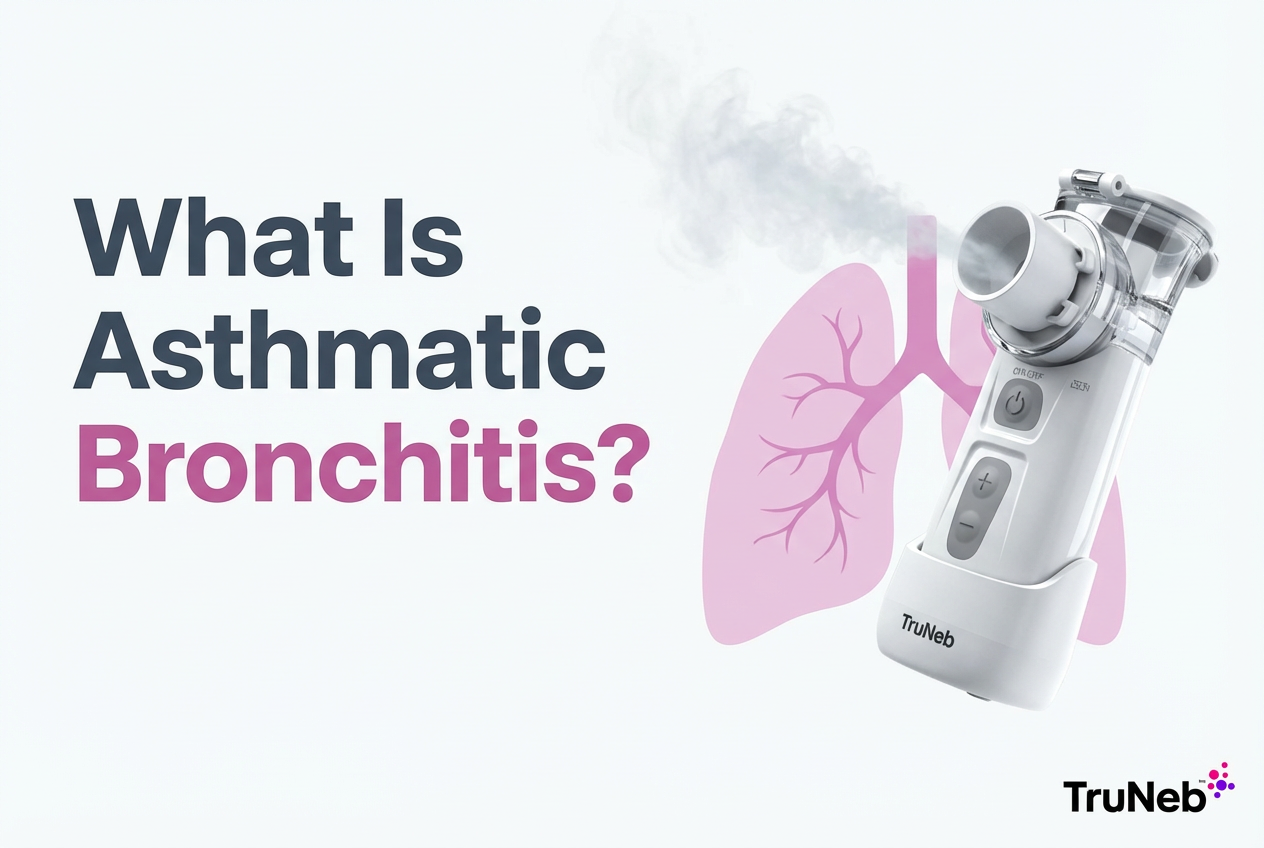
Asthmatic bronchitis means you have acute bronchitis (a chest infection that inflames the bronchial tubes) on top of asthma. In simple terms, your airways are both swollen from infection and tighter from asthma.
Doctors use this label to explain why symptoms feel worse than a regular chest cold: you get the mucus and cough of bronchitis, plus the wheeze and tight chest of an asthma flare. Many people call acute bronchitis a "chest cold." In someone with asthma, that chest cold can trigger more wheezing and shortness of breath.
Asthmatic bronchitis is usually short-term. Asthma itself is ongoing, so you’ll keep managing it even after the bronchitis clears.
Takeaway: Asthmatic bronchitis is acute bronchitis in a person with asthma.
Asthmatic Bronchitis vs. Asthma vs. Bronchitis (How They Differ)
Key takeaway: Asthmatic bronchitis combines features of asthma and acute bronchitis—it’s short-term, while asthma is chronic. Knowing the differences helps you decide when to focus on airway opening, infection recovery, or both.
| Condition | What causes it | Usual duration | Key symptoms | Treatment focus |
|---|---|---|---|---|
| Asthmatic bronchitis | Acute bronchitis in someone with asthma | 1–3 weeks (cough can linger) | Cough with mucus plus wheeze and tight chest | Do both: open airways (asthma care) and support recovery (rest, fluids) |
| Asthma | Chronic airway sensitivity with triggers (allergens, cold air, exercise) | Chronic (long-term) | Wheeze, chest tightness, shortness of breath, cough (usually no fever) | Open airways and reduce inflammation (inhalers/meds) |
| Bronchitis (acute) | Usually a viral infection (a “chest cold”) | 1–3 weeks | Cough (usually with mucus), fatigue, sometimes low fever | Rest, fluids, symptom relief; antibiotics usually not needed |
Note on terms: “Chronic asthmatic bronchitis” is used for long-term bronchitis in someone with asthma (usually from smoking) and falls under COPD. That’s different from a short-lived chest infection in an asthmatic.
Takeaway: Asthma is chronic, bronchitis is short-term infection, and asthmatic bronchitis is both at once.
Asthmatic Bronchitis Symptoms: What You’ll Notice
Because it’s the combo of two problems, the symptoms are a mix of bronchitis and asthma:
- Cough that lingers (dry at first, then mucus). Mucus can be clear, yellow, or green.
- Wheezing (a whistling sound), especially when breathing out.
- Shortness of breath, usually worse with activity or at night.
- Chest tightness or chest discomfort.
- Fatigue and low energy.
- Low-grade fever or chills (from the infection, not asthma itself).
Asthmatic bronchitis in adults can feel more intense than a regular chest cold because you’re dealing with both infection and asthma at once. The cough can stick around for weeks even as breathing improves.
Takeaway: Asthmatic bronchitis combines the bronchitis cough with the asthma wheeze and tight chest.
Causes of Asthmatic Bronchitis
Most cases start with a virus (like a cold or flu) that inflames the bronchial tubes. In someone with asthma, those sensitive airways react more, which brings on extra wheeze and tightness. Less commonly, a bacterial infection is involved. Irritants like smoke or harsh fumes can also inflame the bronchi and trigger a similar picture.
This is why antibiotics are usually not needed for acute bronchitis, since it’s commonly caused by viruses.
Takeaway: A viral chest infection irritates already sensitive airways.
Risk Factors and Triggers
You’re more likely to get asthmatic bronchitis if you:
- Smoke or breathe secondhand smoke.
- Live with air pollution or work around dust, chemicals, or fumes.
- Have allergies that tend to flare your asthma.
- Get frequent colds (teachers, daycare workers, healthcare workers).
- Spend time in cold, dry air (winter is peak virus season).
- Have poorly controlled asthma.
Not every person with asthma will get bronchitis. Keeping asthma well managed and avoiding smoke lowers your risk.
Takeaway: Smoking, pollution, and poorly controlled asthma raise your risk of asthmatic bronchitis the most.
How Asthmatic Bronchitis Is Diagnosed
There isn’t one single test. Your doctor will listen to your lungs, review your symptoms, and check oxygen levels. They sometimes do lung function testing (spirometry or a peak flow) to see how narrowed your airways are. A chest X-ray can help rule out pneumonia if your fever is high or the exam is concerning.
Usually, the chart reads “acute bronchitis” plus a note that you have asthma. The treatment is then tailored to both.
Takeaway: Asthmatic bronchitis is a clinical diagnosis, sometimes backed by breathing tests and an X-ray to rule out pneumonia.
When to See a Doctor (and Emergency Signs)
Call your doctor soon if:
- Your usual rescue inhaler isn’t helping.
- You have a high fever, chest pain, or cough that isn’t improving.
- It’s your first time with these breathing symptoms.
Call 911 or go to emergency care if you have:
- Blue or gray lips/face, severe trouble breathing, or can’t speak full sentences.
- Fast worsening wheeze, confusion, or very low energy.
- Coughing up blood.
⚠️ If you have severe trouble breathing, blue or gray lips or face, or can’t speak in full sentences, call 911 or seek emergency medical care right away.
It’s better to be cautious with breathing problems. Quick care can prevent complications. Once you’ve checked in with your doctor, treatment usually focuses on keeping your asthma under control while your lungs clear the infection.
Takeaway: If your rescue inhaler isn’t helping or breathing is getting harder, get medical help fast.

Asthmatic Bronchitis Treatment: Medications, Nebulizers, and Home Care
Medications to Open Airways and Reduce Inflammation
- Short-acting bronchodilators (like albuterol) relax tight airway muscles for quick relief. Use your rescue inhaler as directed. If it’s hard to use an inhaler during a bad flare, your doctor can recommend the same medicine by nebulizer.
- Inhaled corticosteroids (like budesonide or fluticasone) reduce airway swelling. If wheeze is severe, a short course of oral steroids is sometimes prescribed.
- Antibiotics are usually not needed because acute bronchitis is most often viral. Your doctor only considers them if there’s evidence of a bacterial infection.
- Keep taking any long-term asthma controllers (like leukotriene modifiers) as prescribed unless your doctor tells you otherwise.
Safety note: Talk to your doctor before trying a new medication. Never start, stop, or change a prescription on your own.
Takeaway: Rescue bronchodilators give quick relief, steroids are used if your doctor recommends them, and antibiotics rarely help viral bronchitis.
Using a Nebulizer for Asthmatic Bronchitis (Inhaler vs Nebulizer)
A nebulizer turns liquid medicine into a fine mist you breathe in slowly. It’s helpful when you’re too tight or tired to use an inhaler well, or for young kids who need a mask.
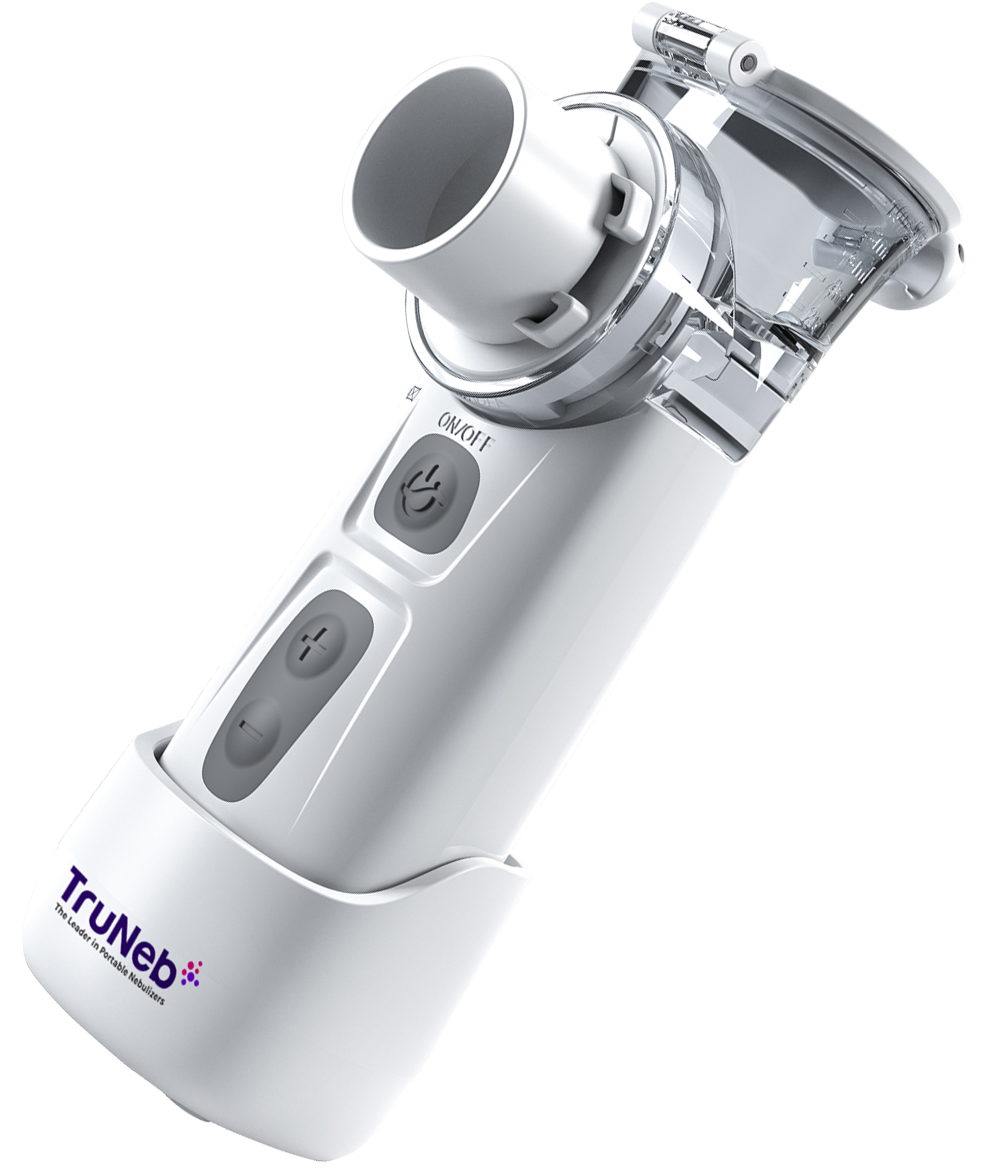
Many doctors use the same bronchodilators (like albuterol) by nebulizer during bad flares. A portable mesh nebulizer makes this easy anywhere. For example, the TruNeb™ portable mesh nebulizer is small, quiet, and compatible with common asthma medications, so you can take a breathing treatment at home, work, or while traveling.
Use only medicines and doses your doctor prescribes in your nebulizer.
⚠️ Devices labeled as “steam inhalers” or facial steamers are not nebulizers and should not be used to breathe in medications.
Takeaway: A nebulizer can be easier during tough flares when an inhaler is hard to use.
Home Care and Relief Measures
- Rest and pace yourself. Your body heals faster when you’re not worn out.
- Hydration: sip water, warm tea, or broth to thin mucus and soothe your throat.
- Humid air: use a clean humidifier or breathe steamy air from a shower to loosen phlegm.
- Expectorant: guaifenesin can help you cough mucus up more easily. Follow the label or your doctor’s advice.
- Saline by nebulizer: some doctors prescribe hypertonic saline (3% or 7%) to help thin stubborn mucus. Hypertonic saline solutions are medical-grade options that some doctors prescribe for saline nebulization; use them only if your doctor specifically recommends saline treatments and tells you which strength to use.
- Gentle airway clearance: positions and light back clapping (chest physiotherapy) can help move mucus. Ask your doctor or respiratory therapist how to do this safely before trying it at home.
- Avoid smoke and strong fumes while you recover.
Safety note: Talk to your doctor before trying a new medication, including which saline strength to use.
Takeaway: Simple steps—rest, fluids, humid air—can make the cough looser and breathing easier.
Preventing Asthmatic Bronchitis in the Future
- Don’t smoke, and avoid secondhand smoke.
- Stay up to date on vaccines (yearly flu shot; ask about pneumococcal if recommended for you).
- Wash hands frequently and avoid close contact with people who are sick during cold/flu season.
- Manage asthma every day: take controllers as prescribed and follow your asthma action plan.
- Limit triggers: cold air, pollen peaks, dust, and chemical fumes.
- Keep moving: regular, moderate exercise helps overall lung health when your asthma is controlled.
These steps won’t prevent every illness, but they can make episodes less likely and less severe.
Takeaway: Controlling asthma, avoiding smoke, and keeping vaccines current lowers your risk of asthmatic bronchitis.
Recovery and Outlook – How Long Does Asthmatic Bronchitis Last?
Most cases act like acute bronchitis: about 2–3 weeks. You should start to feel better within the first week, though the cough can linger for several more weeks as airways heal. Because you have asthma, nighttime cough or mild wheeze may hang around a bit longer.
If you don’t see steady improvement over a few weeks—or symptoms are getting worse—check back with your doctor.
Takeaway: Asthmatic bronchitis usually lasts about 2–3 weeks, with the cough sometimes hanging on longer as your airways recover.
Frequently Asked Questions
Tap or click a question below to see the answer:
Asthma itself isn’t contagious, but the viruses that trigger bronchitis can spread to other people. Good hand hygiene and staying home when you’re sick help protect others.
It’s an older term used when someone with asthma also has long-standing bronchitis (usually from smoking). That falls under COPD and is different from a short-term chest cold in an asthmatic.
Disclaimer: This article is for informational purposes only and is not a substitute for professional medical advice, diagnosis, or treatment. Always talk with your doctor about your symptoms and before changing any medications or treatments.