

On this page
Why Nutrition Matters for COPD
Food is fuel. With chronic obstructive pulmonary disease (COPD), some fuels make breathing feel harder.
- Some foods cause bloating that presses on your diaphragm.
- Some make mucus feel thicker and harder to clear.
- Big, sugary meals can make your body produce more carbon dioxide (CO2), which your lungs must blow off.
The right mix of nutrients can help you feel steadier, keep your energy up, and make daily breathing a bit easier. Good nutrition also supports your immune system, which matters when your lungs are more prone to infections. Keeping a healthy weight matters too. Extra belly weight can press on your lungs, while being underweight can weaken the muscles you use to breathe.
Takeaway: Smart food choices can make daily breathing feel easier, even though they can’t cure COPD.
1. Salty Processed Foods (Too Much Sodium)
Salt makes your body hold on to extra water (fluid retention). Extra fluid can cause swelling (edema) and press on your diaphragm, making it harder to take a deep breath.
Common culprits:
- Canned soups and vegetables
- Frozen dinners and packaged meals
- Chips, salted nuts, pickles, cured meats, fast food
Simple fixes:
- Choose “low-sodium” options and rinse canned beans/veggies
- Flavor with herbs, spices, citrus, and vinegar instead of salt
- Check labels; aim for about 300 mg sodium or less per serving when you can
Takeaway: Cutting back on salty foods can reduce fluid buildup and help your lungs feel less squeezed.
2. Carbonated Drinks and Gassy Foods
Fizz puts gas in your stomach. That can bloat your belly and push up on your diaphragm. That’s why you can feel shortness of breath after eating a big gassy meal or after drinking soda or beer.
Gassy foods can do the same during digestion. These often include beans, lentils, cabbage, broccoli, cauliflower, Brussels sprouts, and onions. These are nutritious foods; it’s usually a portion and timing issue—especially before activity or bedtime.
Try this:
- Pick still drinks like water with lemon or herbal tea instead of soda
- Eat smaller portions of gassy foods, and cook them well
- Avoid large, bubbly drinks or big gassy meals right before activity or bedtime
Takeaway: Carbonated drinks and big gassy meals can cause bloating that presses on your diaphragm and makes breathing harder with COPD.
3. Dairy Products and Mucus
Many people notice milk, cheese, or ice cream makes phlegm feel thicker. It doesn’t create new mucus, but it can make mucus heavier and stickier. That can lead to more throat-clearing and coughing. Studies and patient reports suggest some people notice thicker phlegm after milk or ice cream, while others don’t.
If dairy bothers you, switch to low-fat or plant-based options like almond, soy, or oat milk. Drink water after dairy to thin secretions. If you rely on dairy for calcium or protein, talk with your doctor or dietitian before cutting it out completely.
Everyone’s different. If dairy doesn’t bother you, small amounts can be fine.
Takeaway: If dairy seems to thicken your phlegm, try low-fat or plant-based options and sip water afterward.
4. Fried Foods and Trans Fats
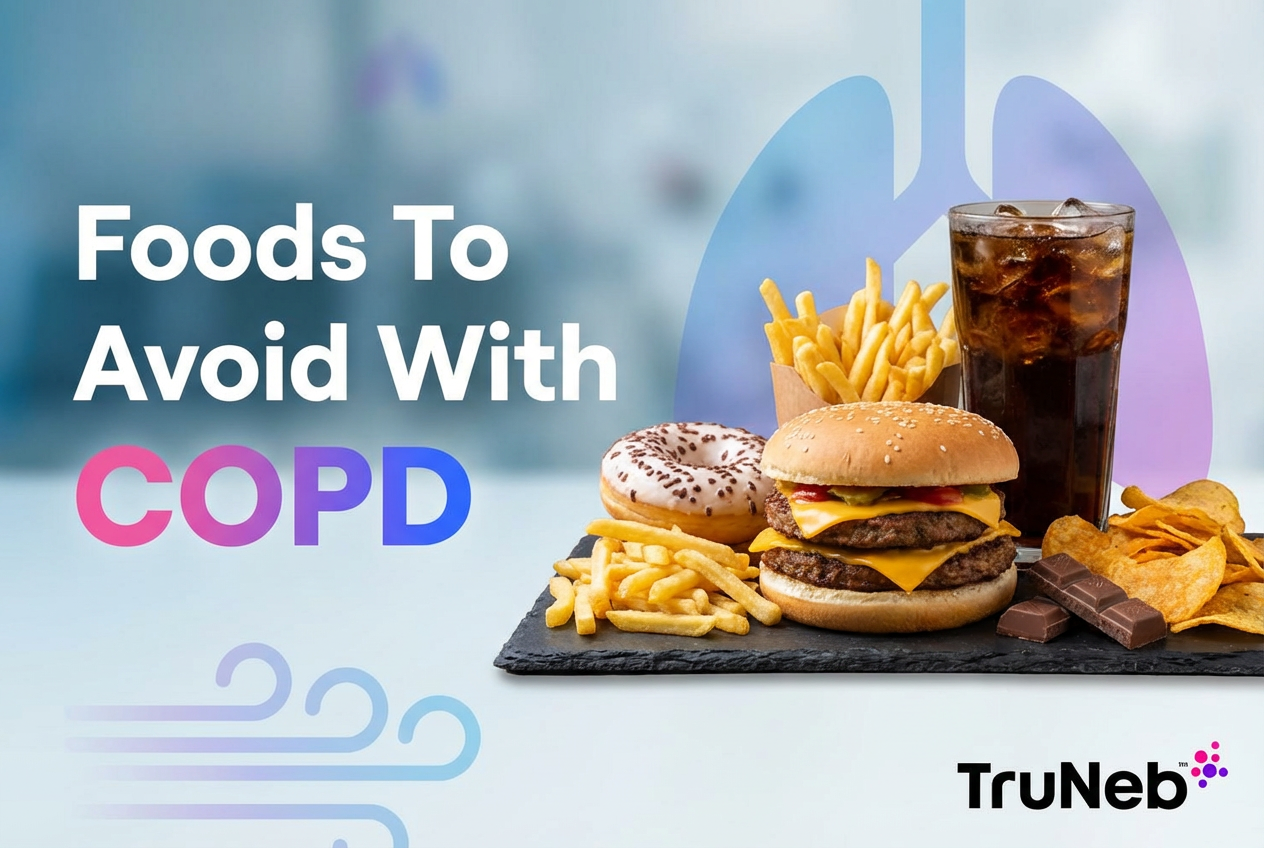
Fried and greasy meals sit heavy in your stomach. They can trigger bloating and even acid reflux, which can spark coughing and chest irritation. Over time, these foods can also lead to weight gain and more inflammation. Extra weight around your belly and chest makes it physically harder for your lungs to expand. Spicy foods, tomato-heavy sauces, and chocolate can also trigger heartburn for some people, which can irritate your airway if you have COPD.
Common offenders: fries, fried chicken, doughnuts, onion rings, and foods cooked in partially hydrogenated oils (trans fats).
Better choices:
- Bake, grill, or air-fry instead of deep-frying
- Use small amounts of healthier oils
- Keep portions modest, especially at night if you get heartburn
Takeaway: Choosing baked or grilled foods instead of fried ones can make digestion and breathing feel easier.
5. Processed Meats (Nitrates and Preservatives)
Bacon, ham, hot dogs, sausages, and deli meats often contain nitrates or nitrites. These preservatives have been linked to airway irritation and can worsen lung function. Nitrates and nitrites can form compounds that irritate and inflame the airways. Processed meats are also salty.
Try fresh protein instead: chicken, turkey, fish, eggs, or beans (in portions that don’t cause gas for you). If you do buy deli meat, look for “no nitrites added” and go easy on portions.
Takeaway: Cured meats add extra salt and nitrates that can irritate your airways and strain your lungs.
6. Alcohol (Beer, Wine, and Liquor)
Alcohol can dehydrate you, which can make mucus thicker and harder to clear. In sensitive people, sulfites in wine or beer can also irritate airways. Drinking to the point of drowsiness can slow breathing. Alcohol can also interact with some COPD medicines, especially sedatives, so check with your doctor about what’s safe for you.
If you drink, keep it modest. Have water between drinks. Notice how your breathing and sleep feel afterward and adjust.
Takeaway: Because alcohol can dry your airways and thicken mucus, it’s safer to keep it modest and drink plenty of water.
Smart Eating Tips for COPD (What to Eat and How to Eat)
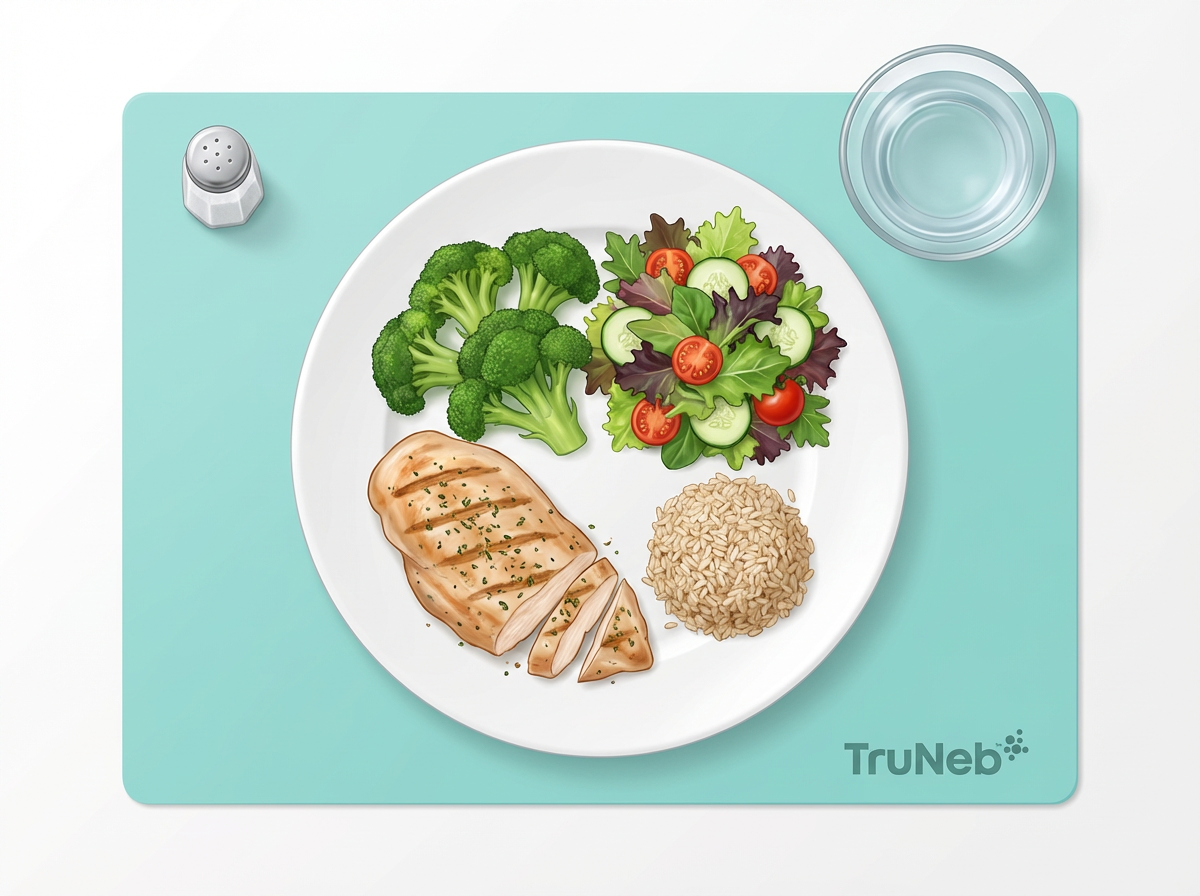
Here’s how to build a plate that treats your lungs kindly:
- Choose complex carbs (whole grains, fruits, veggies) instead of lots of added sugar
- Get steady protein for muscle strength (fish, chicken, eggs, beans, nuts)
- Include healthy fats (olive oil, avocado, nuts, fatty fish); fat makes less CO2 than carbs when your body uses it for energy
- Sip water through the day to help keep mucus thin. If you’ve been told to limit fluids for another condition like heart or kidney disease, follow your doctor’s guidance.
- Eat 4–6 smaller meals instead of a few large ones to avoid that stuffed, breathless feeling
- Sit upright during and after meals; give yourself time to chew and breathe
- Aim for earlier dinners; big, late meals can make nighttime breathing feel harder than a lighter earlier dinner
If you need a tailored plan, ask a registered dietitian.
Takeaway: Small, balanced meals and steady hydration can help you stay more comfortable and breathe more easily with COPD.
Tools & Strategies to Help You Breathe Easier
Diet is one piece. Clearing mucus and pacing yourself help too.
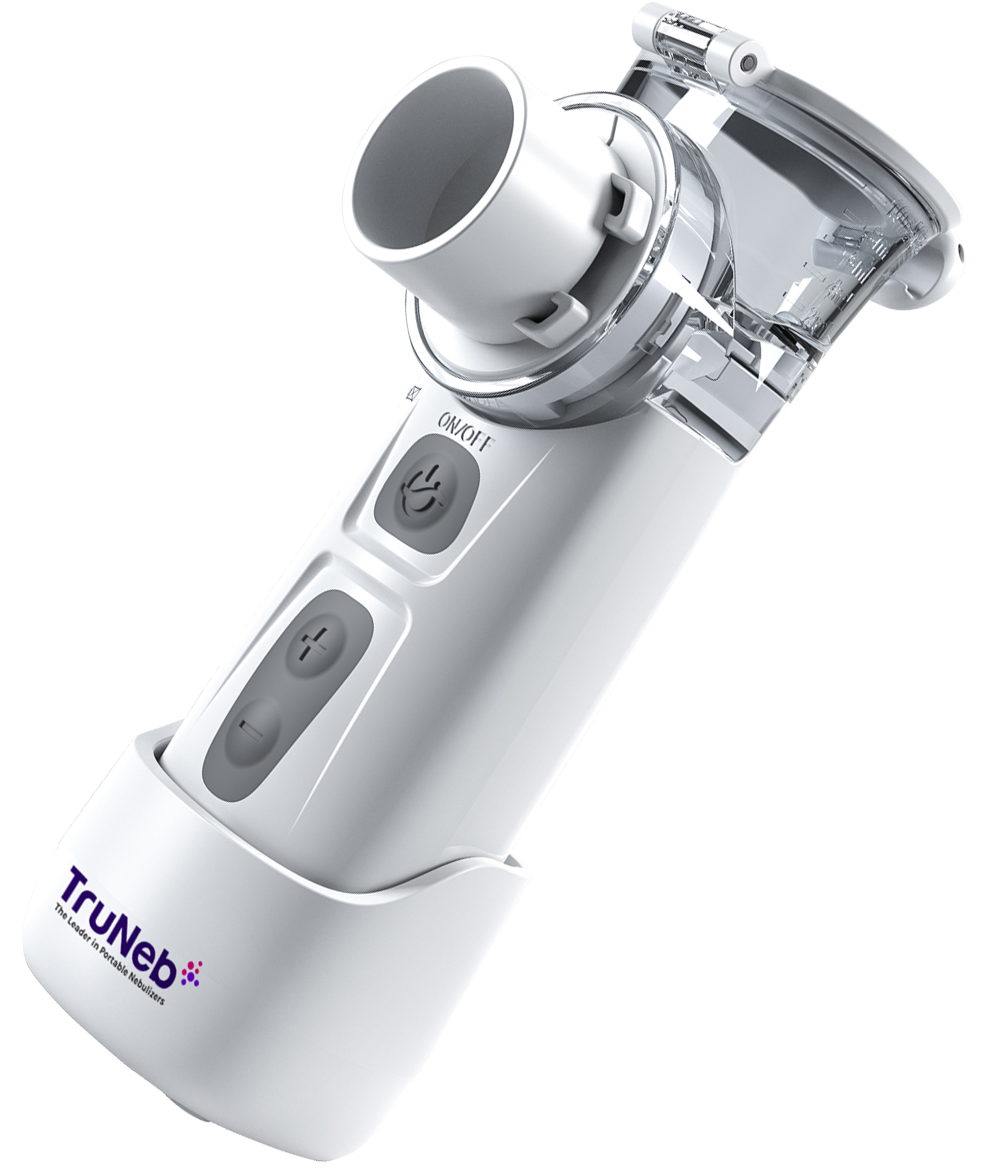
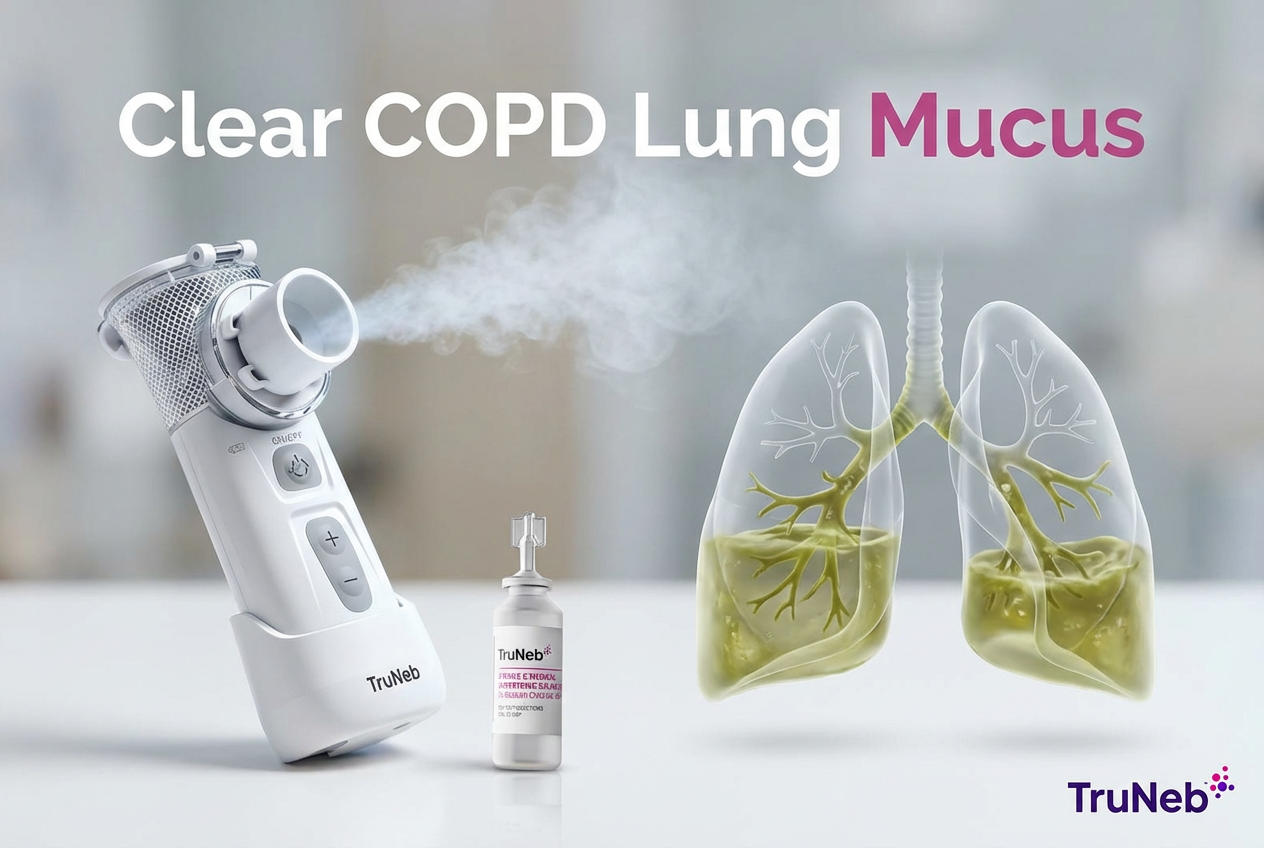
Airway clearance: A portable mesh nebulizer can turn sterile saline into a fine mist your doctor might include in your mucus‑clearance plan. This approach is commonly used to help loosen mucus so it’s easier to cough out. Ask your doctor if using 3% or 7% hypertonic saline in a nebulizer is safe and appropriate for you.
- Breathing and pacing: You can try pursed-lip breathing if you feel winded at meals. Take breaks. Eat slowly.
- Hydration and movement: Keep sipping water through the day so mucus stays thinner. Light activity (like walking) can aid digestion and help you feel better overall.
⚠️ If you see products labeled “steam inhaler,” know these aren’t meant for breathing COPD medications—use only nebulizers your doctor has recommended for your treatments.
⚠️ If you have severe shortness of breath at rest, chest pain, confusion, or blue lips or fingernails, seek emergency medical care right away.
Safety note: Talk to your doctor before changing your COPD diet or starting a new medication.
Takeaway: Pair smart eating with airway clearance, pacing, and hydration to support easier breathing day to day.
Frequently Asked Questions
Tap or click a question below to see the answer:
Diet won’t cure COPD, but lighter, lower-sodium, and less gassy meals can reduce breathlessness after eating and support steadier energy.
Focus on whole grains, fruits, vegetables, lean proteins, and healthy fats. These support muscle strength and steady energy. Beans and crunchy veggies are great, just watch portion sizes if they make you gassy.
Coffee isn’t automatically bad, but caffeine and acidity can trigger reflux for some people, which can irritate your airway. Spicy foods and chocolate can act similarly by triggering heartburn. If coffee bothers you, try smaller amounts or decaf.
A common goal is about 6–8 glasses a day unless your doctor says otherwise. Hydration helps keep mucus thinner and easier to clear.
Takeaway: Quick answers about COPD diet, coffee, and hydration help you make everyday choices with more confidence.
Conclusion: Breathing Easier with Smart Choices
Avoid the foods that bloat, dehydrate, or weigh you down. Swap in lighter, low-sodium, and balanced meals. Sip water. Use the tools that help you clear mucus and pace your day. Small changes stack up. Over time, you can feel steadier and breathe a little easier.
For quick reference, the seven categories to watch are: salty processed foods, carbonated drinks, large gassy portions, dairy that thickens phlegm for you, fried foods and trans fats, processed meats, and alcohol.
Changing long-time eating habits isn’t easy, so start small and give yourself credit for each step. Talk with your doctor or a registered dietitian before making big changes, and reach out if you’re unsure what’s right for you.
Takeaway: Small, steady nutrition changes can add up to easier breathing over time.
Disclaimer: This article is for informational purposes only and isn’t a substitute for professional medical advice, diagnosis, or treatment. Always talk with your doctor about your COPD, diet, and treatments.