

On this page
Understanding COPD Flare-Ups and Why They Matter
What Happens During a COPD Flare-Up?
A COPD flare-up (also called a COPD exacerbation) is a stretch of days when symptoms get much worse. Breathing gets harder. Cough and mucus increase. You might need your rescue inhaler more frequently. Common triggers include infections and polluted or cold air. Inside the lungs, inflammation rises, airways tighten, and mucus gets thicker, making airflow harder.
Why Preventing Exacerbations Is Critical
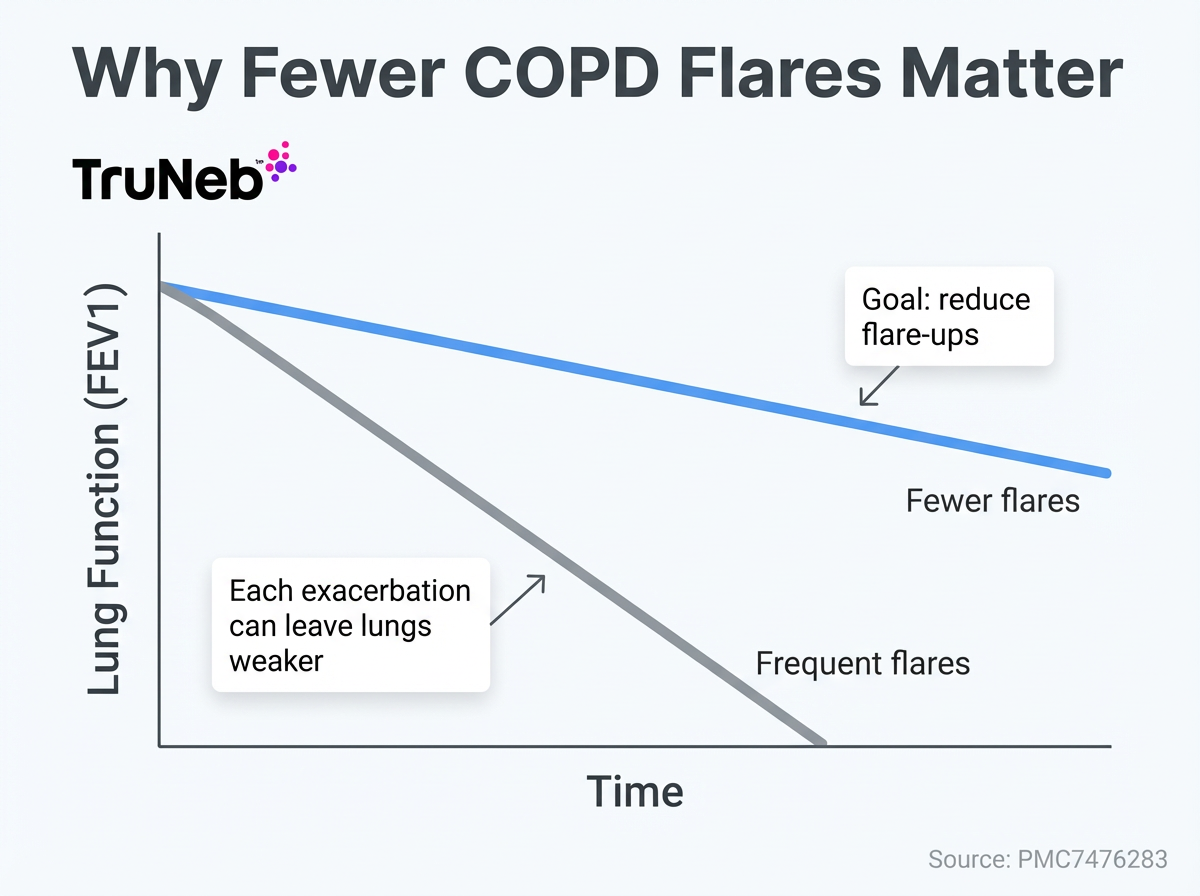
Frequent flare-ups can speed up lung function decline and raise the chance of ER visits or hospital stays. Repeated exacerbations are linked to faster long-term loss of lung function and a higher risk of death. Each bad flare can leave you a little weaker afterward. Preventing flares protects your lungs and helps you stay active.
Conventional Ways to Reduce COPD Flare-Ups
The foundation starts with proven steps recommended by experts. Key steps include quitting smoking, using your daily maintenance inhalers as prescribed, staying current on flu and pneumonia vaccines, joining pulmonary rehab if it's offered, and avoiding triggers like smoke, dust, and extreme cold. Guidelines from expert groups like GOLD emphasize these basics because they reduce infections and irritation. These moves help keep airways calmer and lower your flare risk.
Even with good habits and standard therapy, flares can still happen. That's why newer treatments can add extra protection on top of your current plan.
Introducing Ohtuvayre – A New Dual-Action COPD Therapy
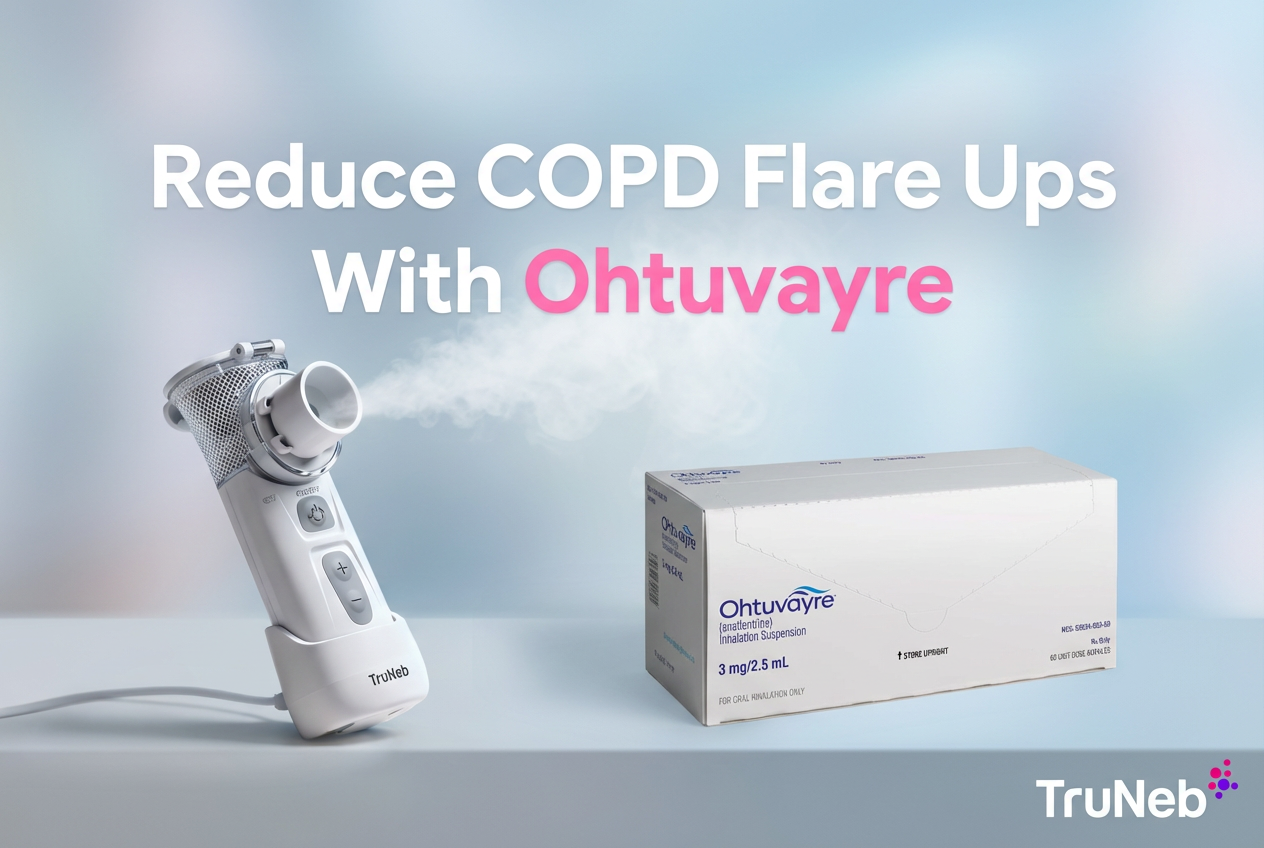
Ohtuvayre is a recent FDA-approved maintenance treatment for adults with COPD that helps open tight airways and calm airway inflammation. The active ingredient is ensifentrine.
How Ensifentrine Works in the Lungs
Ensifentrine blocks two enzymes, PDE3 and PDE4. This dual action relaxes the muscles around your airways and reduces inflammation inside the lungs so air can move more freely.
How Ohtuvayre Is Taken (Nebulizer Administration)
You take Ohtuvayre as an inhalation solution with a nebulizer. It's prescribed as a twice-daily nebulized maintenance treatment. It is not a steroid and not a rescue medicine. Always follow the patient leaflet and your doctor's instructions.

Ohtuvayre’s Clinical Trial Results – Evidence of Fewer Flare-Ups
Fewer Flare-Ups and Longer Stable Periods
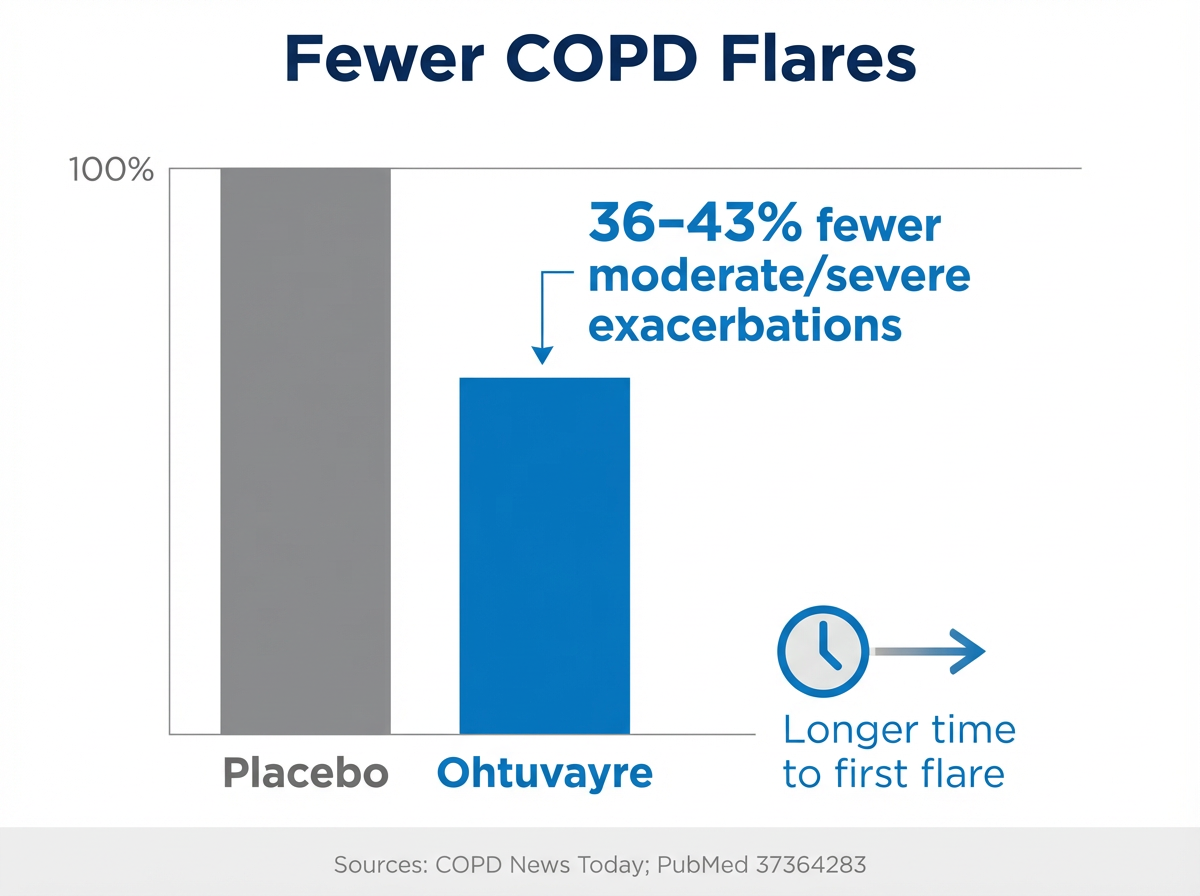
Large Phase 3 trials (ENHANCE-1 and ENHANCE-2) showed fewer moderate or severe COPD flare-ups with Ohtuvayre versus placebo. Across analyses, people on Ohtuvayre had about 36% to 43% fewer exacerbations over six months. Many also went longer before their first flare.
Improved Breathing and Daily Symptom Control
Breathing improved too. Lung function (FEV1) rose modestly, and patients typically used their rescue inhaler less. Higher FEV1 numbers generally mean it's easier to breathe and be active. These benefits occurred on top of usual maintenance inhalers.
Who Might Benefit from Ohtuvayre?
Ohtuvayre is generally considered for adults with moderate to severe COPD who still have frequent flares or hard-to-control daily symptoms despite standard inhalers. It is usually added to your current plan, not a replacement for quick-relief medicines.
Use your history to guide the conversation; recent ER visits, hospital stays, or two or more flares in a year all point to higher risk. Trouble using handheld inhalers can also push your doctor toward a nebulized option.
Questions to Ask Your Doctor
- Based on my flare history, am I a good candidate for Ohtuvayre?
- Should I change any current inhalers if I start it?
- What benefits and side effects should I watch for?
- How do we handle insurance approval or samples?
Using Ohtuvayre in Daily Life
Building a Daily Ohtuvayre Routine
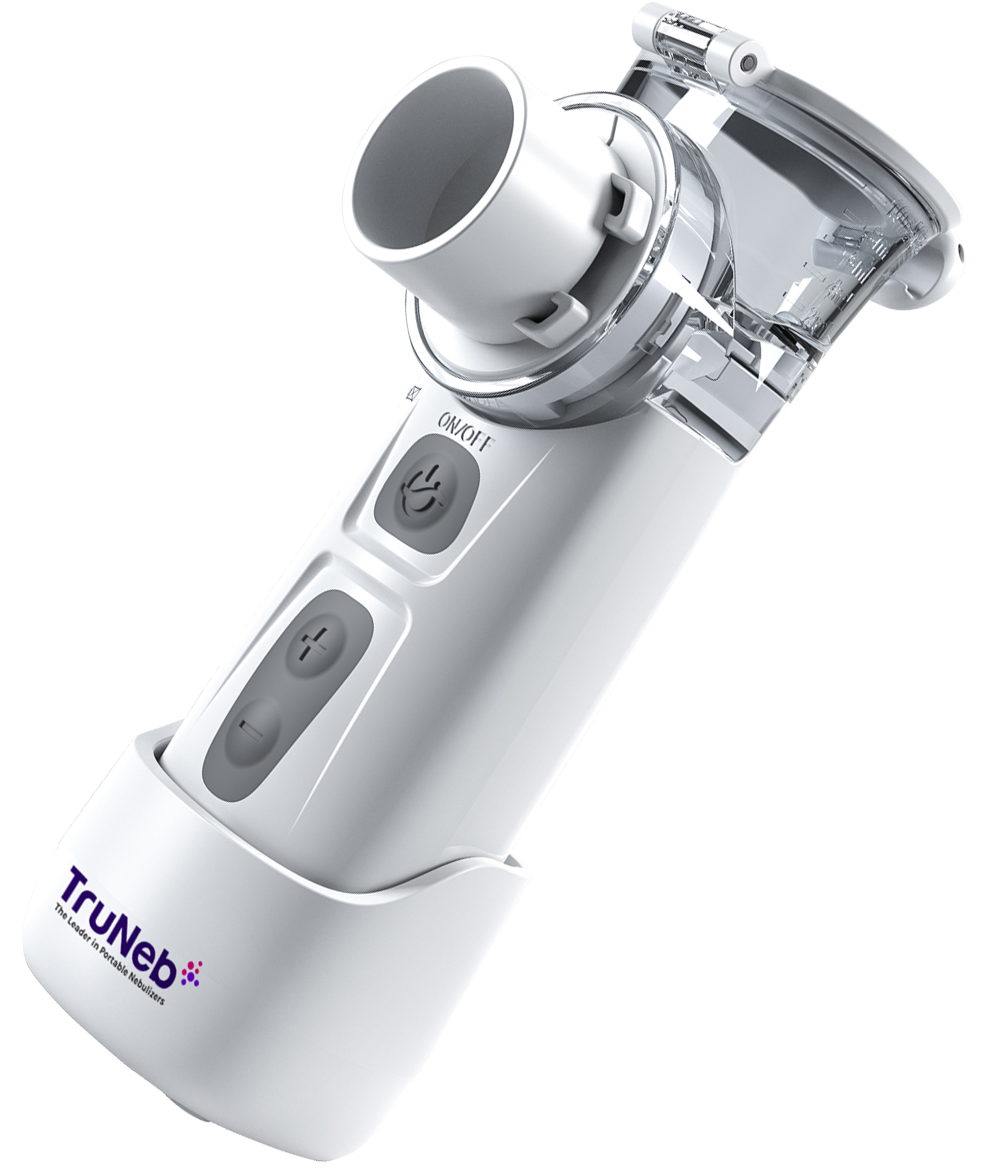
Make it part of your routine to take Ohtuvayre at the same times each day, exactly as your doctor and the patient leaflet direct. Set simple anchors, like morning and evening routines, and phone reminders. Keep your nebulizer clean to lower infection risk. Ohtuvayre is typically used with a standard jet nebulizer; confirm which devices are compatible. A portable mesh nebulizer like TruNeb™ can make daily treatments easier when you are away from home. Always confirm device compatibility with your prescriber. Taking Ohtuvayre consistently as prescribed can help lower your risk of COPD flare-ups.
Monitoring Your Improvement
Track your progress with a simple symptom and flare log. Note rescue inhaler use, breathlessness, and any flares on a calendar. Some people notice easier breathing within a few weeks, while fewer flare-ups usually become clear over several months.
What If a Flare-Up Still Happens?
If a flare starts, follow the COPD action plan you created with your doctor and use your prescribed rescue medicines. Don't take extra Ohtuvayre for quick relief.
Side Effects and Safety Precautions of Ohtuvayre
Common Side Effects
Common side effects include back pain, mild increases in blood pressure, urinary tract infections, and diarrhea. In studies, overall side effect rates were similar to placebo. Ohtuvayre is not a rescue treatment for sudden breathing problems. It's not known if Ohtuvayre is safe during pregnancy or breastfeeding, so discuss this with your doctor.
When to Call Your Doctor or Seek Emergency Care
If breathing gets worse right after a dose, stop and contact your doctor; this could be paradoxical bronchospasm. Report mood changes if they occur. Share your full medication list with your care team. Read the patient information for the full safety list.
⚠️ If you have severe or sudden shortness of breath, chest pain, confusion, or your lips or face turn blue, call 911 or seek emergency medical care right away.
Disclaimer: This article is for informational purposes only and is not a substitute for professional medical advice. Always talk to your doctor about your health and treatments.
Lifestyle Changes to Further Reduce Flare-Ups
Everyday Habits That Lower Flare Risk
Medication works best with steady self-care. If you smoke, your doctor can help you find support to quit. Stay current on flu, pneumonia, and COVID vaccines to help prevent infection-triggered flares. Join pulmonary rehab if available; it teaches breathing, safe exercise, and pacing. Move most days within your limits, eat well, and stay hydrated. Support mucus clearance with techniques your doctor recommends, like huff coughing or a PEP device. Your nebulizer can also deliver saline if your doctor prescribes it for mucus. Keep indoor air clean and avoid irritants when you can.
Building a COPD Action Plan
Build a simple COPD action plan with your care team so you know what to do at the first sign of a flare. A good plan lists early warning signs, when and how to adjust medicines such as your rescue inhaler, and when to contact your clinic or seek urgent care.
Support Systems and Follow-Up Care
See your lung doctor regularly to review your symptoms, flare patterns, and treatment plan. Consider COPD support groups or pulmonary rehab programs for education and encouragement. Involve family or caregivers in your action plan so they can recognize early flare signs and help you act quickly. Healthy habits like not smoking, staying up to date on vaccines, moving most days, and clearing mucus regularly work with your medications to reduce COPD flare-ups.
Conclusion: Taking Charge of COPD Flare-Ups
Ohtuvayre is a new dual-action maintenance therapy that can reduce COPD flare-ups and help you breathe easier. Trials report about a 36–43% drop in moderate or severe exacerbations and a longer stretch before the first flare. In studies, benefits appeared when people used it daily along with standard COPD care, including vaccines, rehab, clean air, and a clear action plan.
Bring your flare history to your next visit and ask your pulmonologist if Ohtuvayre fits your plan. If you need a portable nebulizer for daily life, choose a reliable device and confirm it is compatible with your medicines. Fewer flare-ups mean steadier weeks and more days to do what matters.
Disclaimer: This article is for informational purposes only and is not a substitute for professional medical advice. Always talk to your doctor about your health and treatments.
Frequently Asked Questions (FAQs)
Tap or click a question below to see the answer:
Ohtuvayre helps open airway muscles and reduce airway inflammation through dual PDE3/PDE4 inhibition. In trials, people on Ohtuvayre had about 36–43% fewer moderate or severe exacerbations than those on placebo.
No, Ohtuvayre is not a rescue treatment. Follow the COPD action plan you and your doctor created and use your prescribed rescue medicines.
Yes. Ohtuvayre is usually added to your current maintenance therapy. Keep your rescue inhaler for sudden symptoms and follow your doctor's plan.
Some people notice easier breathing within a few weeks. Flare-up reduction usually becomes clear over several months when it's taken twice daily as directed.
Back pain, mild blood pressure increases, urinary tract infections, and diarrhea were reported in studies. Most people tolerated Ohtuvayre well, but talk to your doctor about any side effects.
No. Ohtuvayre is a dual PDE3/PDE4 inhibitor. It provides anti-inflammatory benefits without being a corticosteroid.
Yes. Ohtuvayre is the brand name and ensifentrine is the active ingredient. Both refer to the same nebulized maintenance treatment for COPD.