

On this page
Disclaimer: This article is for informational purposes only and is not a substitute for professional medical advice, diagnosis, or treatment. Always talk with your doctor about your symptoms, test results, and treatment options.
Understanding Blood Oxygen Levels: Normal vs Dangerously Low
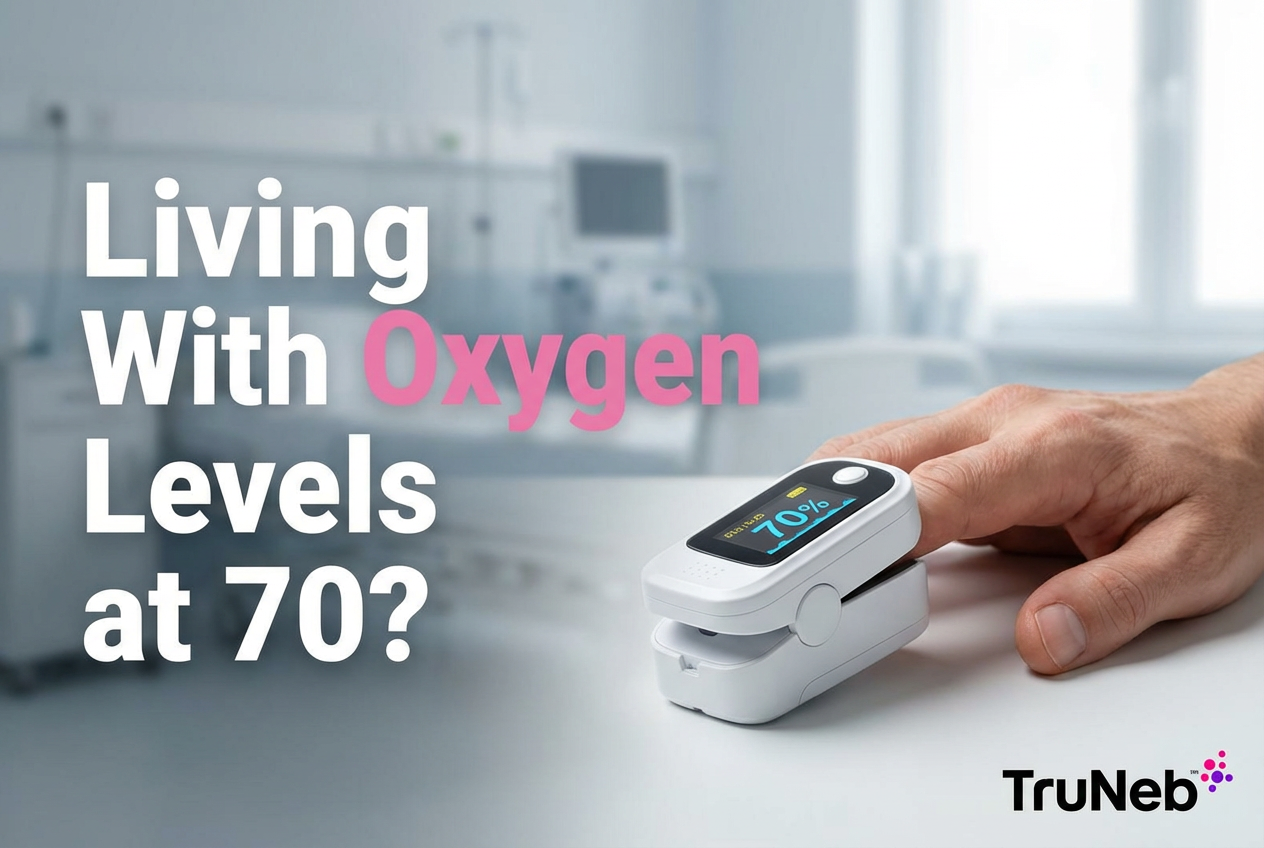
A 70% oxygen saturation (SpO₂) is dangerously low. Normal is usually 95–100% at sea level. When your oxygen drops far below that, your organs don’t get what they need.
SpO₂ is the percent of hemoglobin in your blood carrying oxygen. A finger pulse oximeter shows this number. Doctors call low blood oxygen hypoxemia. Low blood oxygen (hypoxemia) leads to low oxygen in your tissues, called hypoxia.
Dips around 90–94% are concerning. Below 90% is low. Below 80% is severe and can turn life‑threatening fast. A reading of 70% falls well into the severe hypoxemia range.
Quick guide: what common SpO₂ ranges mean and what to do. 70% sits in the severe zone - treat it as an emergency.
| SpO₂ Range | What it means | Common signs | What to do |
|---|---|---|---|
| 95–100% | Normal at sea level | None or mild shortness of breath with exertion | Routine monitoring if at risk |
| 90–94% | Low | Mild breathlessness, fatigue | Rest, retest in 1–2 minutes; contact your doctor if it stays low or trends down |
| 80–89% | Moderate hypoxemia | Shortness of breath, trouble thinking | Seek urgent care, especially with symptoms; use your prescribed oxygen if you have it |
| <80% | Severe hypoxemia | Confusion, blue lips/skin, chest pain, fainting | Call 911 or go to the emergency room (ER) right away; 70% is critical |
Key fact: SpO₂ of 70% is a medical emergency, not a “wait and see” number.

What Happens at 70% Oxygen?
At 70% SpO₂, your body is starved for oxygen. Symptoms can appear fast and get worse quickly.
Here’s what you may see:
- Severe shortness of breath (air hunger)
- Confusion, agitation, or trouble thinking clearly
- Dizziness or trouble staying awake
- Bluish lips, fingers, or skin (cyanosis)
- Fast heartbeat (pounding pulse)
- Chest tightness or pain
- Extreme fatigue and weakness
- Fainting or loss of consciousness if levels stay low
People often describe it like drowning on dry land. Even simple tasks can feel impossible because your brain, heart, and muscles aren’t getting enough oxygen.
Key fact: At 70% SpO₂, severe breathlessness, confusion, and cyanosis are red‑flag signs to get emergency care.
Why 70% Is Life‑Threatening: Organ Damage and Survival Time
Plain answer: at around 70% SpO₂, you don’t have days—you have minutes to a few hours without urgent treatment. The brain and heart are the first to suffer.
When oxygen is this low, confusion can start within minutes and loss of consciousness can follow if levels don’t improve. The heart strains to compensate and can develop dangerous rhythms (abnormal heartbeats). Without a rapid rise in oxygen, the brain, heart, and other organs can be injured, sometimes permanently.
Context matters. A sudden crash to 70% in a normally healthy person can cause rapid collapse. In a hospital, that level triggers high‑flow oxygen and often ventilation. A few people with end‑stage illness linger at very low saturations, but this is uncommon outside hospice care. One hospice nurse notes that when oxygen falls under about 80% in actively dying patients, death usually follows within about a day, though rare exceptions exist. Lingering at 70% is rare and almost always indicates end‑of‑life care.
Key fact: At ~70% SpO₂, minutes matter; seek emergency care immediately to protect the brain, heart, and other organs.
When to Call 911 for Low Oxygen
Treat a 70% reading as an emergency. Call 911 now.
⚠️ If you or someone near you has severe trouble breathing, confusion, or blue lips/skin—especially with a low oxygen reading—call 911 or your local emergency number right away.
General guidance:
- If your SpO₂ stays under ~90% after you retest and rest, it’s a red flag and you should get urgent medical care.
- If it’s under ~85%, treat it as an emergency—call 911 or go to the emergency room (ER) right away.
- If you have severe symptoms (trouble breathing at rest, confusion, blue lips/skin, chest pain) at any reading, call 911.
These numbers are general ranges; your doctor might give you different target numbers based on your condition.
While you wait for help:
- Keep the person upright.
- Use your prescribed oxygen if it’s already available.
- Don’t drive yourself; let EMS come to you.
- If the person becomes unresponsive or stops breathing, start CPR if you’re trained.
Key fact: A 70% oxygen level is a 911 call—don’t try to manage it at home.
Chronic Low Oxygen: Prognosis and Long‑Term Effects
Some people live with lower oxygen because of lung disease, for example, severe COPD or pulmonary fibrosis. Over time, chronically low SpO₂ strains your heart, brain, and other organs and raises your risk of dying earlier. Research shows that people with low resting oxygen saturations face higher long‑term mortality risk than those with normal levels.
A 70% reading is not an acceptable everyday baseline; outside end‑of‑life or hospice care it usually signals a crisis. If you’re seeing low readings often or your symptoms are getting worse, talk to your doctor about updating your treatment plan.
Key fact: Chronic low SpO₂ increases long‑term risk of heart and organ problems.
Preventing Severe Drops in Oxygen Levels
These steps support day‑to‑day lung health; they can’t replace emergency care if your oxygen suddenly drops to a critical level.
What helps over the long run:
- Use your prescribed treatments as directed. Skipping oxygen or inhaled medicines can invite a crisis.
- Ask about pulmonary rehabilitation. Guided exercise and breathing training can boost stamina and ease breathlessness.
- Clear mucus well if it’s an issue. Nebulized therapies can help loosen congestion as part of a daily plan. A portable mesh nebulizer such as the TruNeb™ Portable Mesh Nebulizer can make it easier to take bronchodilators or saline treatments wherever you are, as prescribed by your doctor. TruNeb also offers 3% and 7% hypertonic saline for airway clearance as directed by your clinician.
- Protect your lungs: don’t smoke, keep vaccines up to date, and avoid heavy smoke, fumes, or dusty air.
- Monitor wisely. If your clinician recommends a pulse oximeter, track trends and report concerning changes.
Devices like TruNeb are for ongoing, doctor‑directed treatments—they’re not a replacement for emergency oxygen or ER care when levels drop to 70%.
Safety note: These are general tips, not personal medical advice. Talk to your doctor before trying a new medication or changing any treatment.
Key fact: These daily steps can help you avoid severe drops—but if you ever see 70%, call 911.
Frequently Asked Questions (FAQs)
Tap or click a question below to see the answer:
Yes. It’s critically low and can be life‑threatening. Call 911 right away.
Not for long without urgent treatment. You have minutes to a few hours, not days, and organ injury can follow quickly.
Generally, most adults can’t sustain levels much below around 80% without immediate care. The lower the number, the faster the danger. At about 70%, minutes matter.
At very low levels (around the 70% range), confusion can start within minutes. If oxygen stays that low, the brain can start to suffer permanent injury, which is why fast treatment is so important.
No. Use your prescribed oxygen if you have it and call 911 right away. Don’t try to manage it at home.
Key fact: If you ever see 70% on a pulse oximeter, call 911—minutes matter.