

On this page
What Is a Peak Flow Meter and Why Use It?
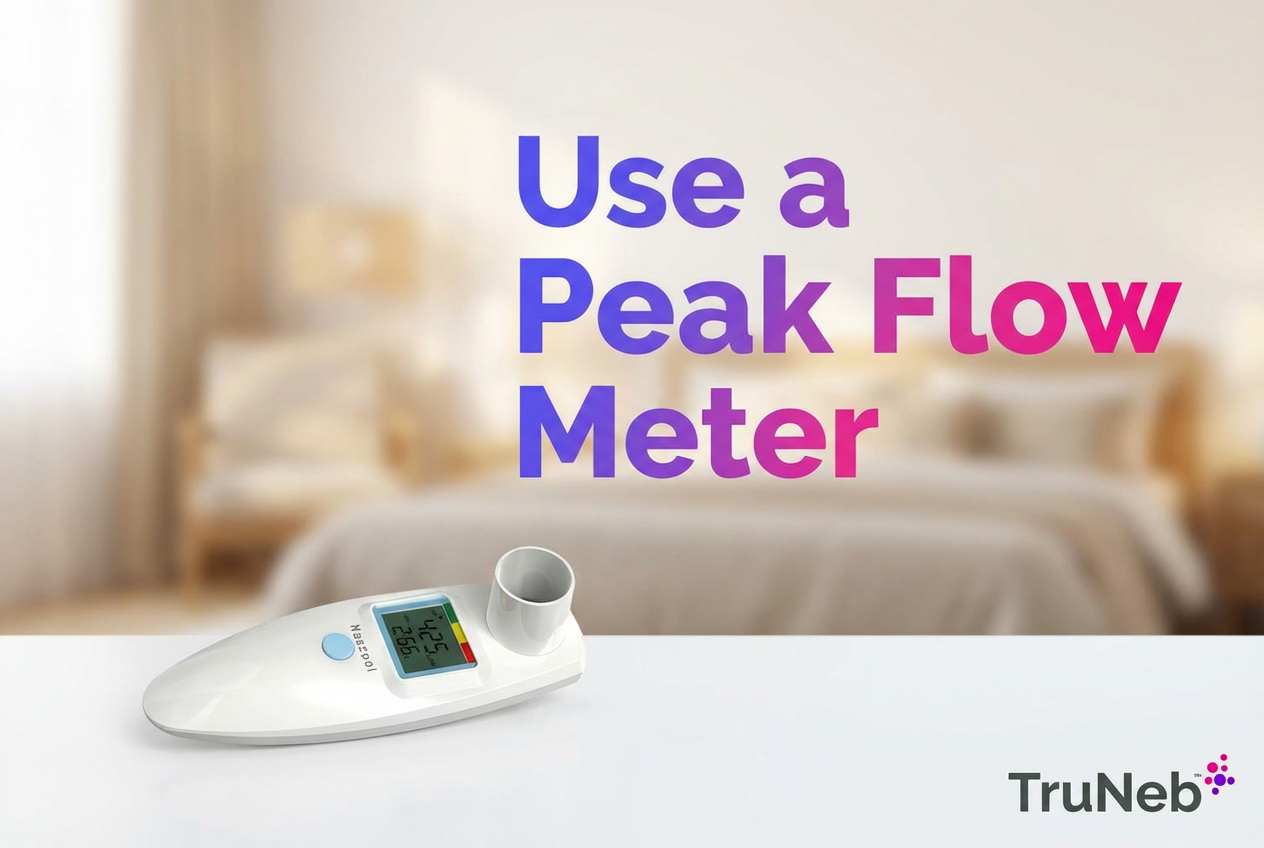
A peak flow meter is a small handheld device that measures how fast you can blow air out. This number is your peak expiratory flow, shown in liters per minute. Here’s how to use a peak flow meter and why it matters.
It helps you see how open your airways are and can warn you of asthma trouble early, sometimes hours or days before symptoms show. Many doctors include peak flow tracking in an asthma action plan. Peak flow tracking helps you see changes between visits but doesn’t replace regular checkups with your doctor.
Some people with other breathing problems use one too. The goal is to spot drops early and act before a flare gets worse.
Peak flow is your fastest blow and reflects how open your airways are.
Key takeaway: A peak flow meter shows how open your airways are by measuring how fast you can blow air out.
Step-by-Step: How to Use a Peak Flow Meter Correctly
Follow the same steps every time so your numbers are reliable.
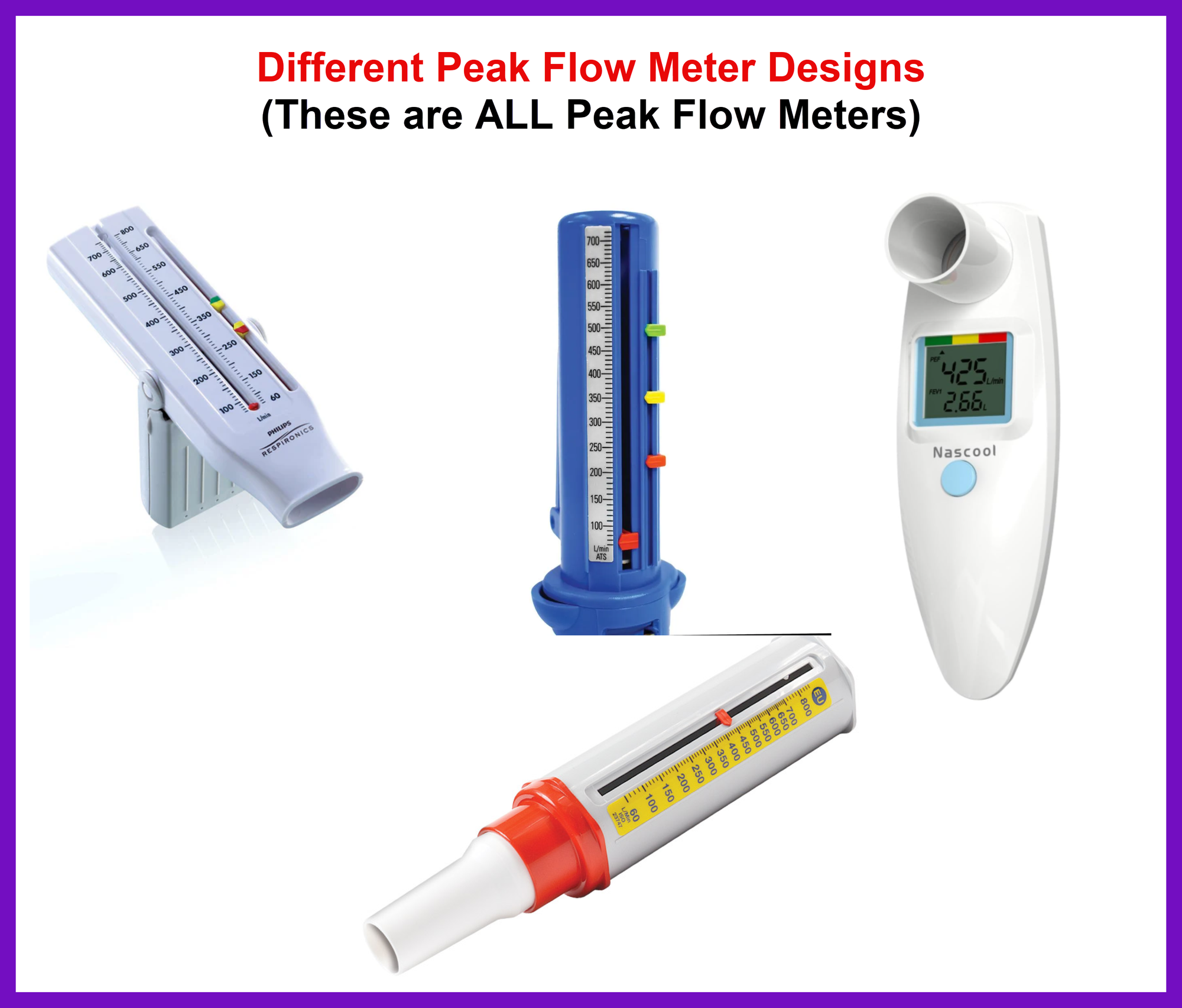
- Set the marker to zero. Make sure the sliding marker is at the bottom of the scale before you start. Make sure you don’t have gum or food in your mouth when you test.
- Stand up straight. Good posture helps you take a full breath.
- Take a deep breath. Fill your lungs completely and hold for a brief moment.
- Seal your lips around the mouthpiece. Keep your tongue away from the opening.
- Blow out hard and fast. Blast out in one quick burst.
- Read the number. Note where the marker stops.
- Reset and repeat two more times. Use the same strong effort each try.
- Record the highest number of the three. Don’t average them.
Tip: If you cough, leak air around the mouthpiece, or your tongue blocks the opening, don’t count that try. Reset and repeat.
Children under 5 may not be able to do this test well. Ask your pediatrician when to start and how to teach it.
Clean the meter weekly with mild soap and water. Rinse well and let it air-dry completely before using again.
Key point: Record the highest of three good blows, not the average.
In short: Follow the same steps in the same order every time and write down the highest of three strong blows.
Finding Your Personal Best Peak Flow
Your personal best is the highest peak flow number you can blow when your asthma is under good control.
Find it by checking every day for 2 to 3 weeks during a time you feel well. Take readings at the same times each day, like morning and early afternoon. Use the same technique each time and log your numbers.
After 2 to 3 weeks, the single highest number you hit is your personal best. Share it with your doctor and use it to set your green, yellow, and red zones. Recheck your personal best over time if your health or treatment changes.
Personal best is the highest peak flow you blow when you feel your best.
When and How Often to Use Your Peak Flow Meter
Try to make using your peak flow meter part of your daily routine. Take a reading every morning before you use any asthma medicine. This gives you a daily baseline.
Use the meter when you notice symptoms like cough, wheeze, or chest tightness. Check again about 15 to 20 minutes after rescue medicine to see if you improved. Some people also check before hard exercise if it tends to trigger symptoms, and more often during a cold, allergy flare, or smoky air.
Try to use the same brand of meter at home, school, or work so your numbers match well. Follow your asthma action plan and your doctor’s advice for how often to check.
Key takeaway: Use your peak flow meter every morning before medicine and again any time your breathing or symptoms change, as part of the routine your doctor recommends.
Understanding Peak Flow Zones: Green, Yellow, Red
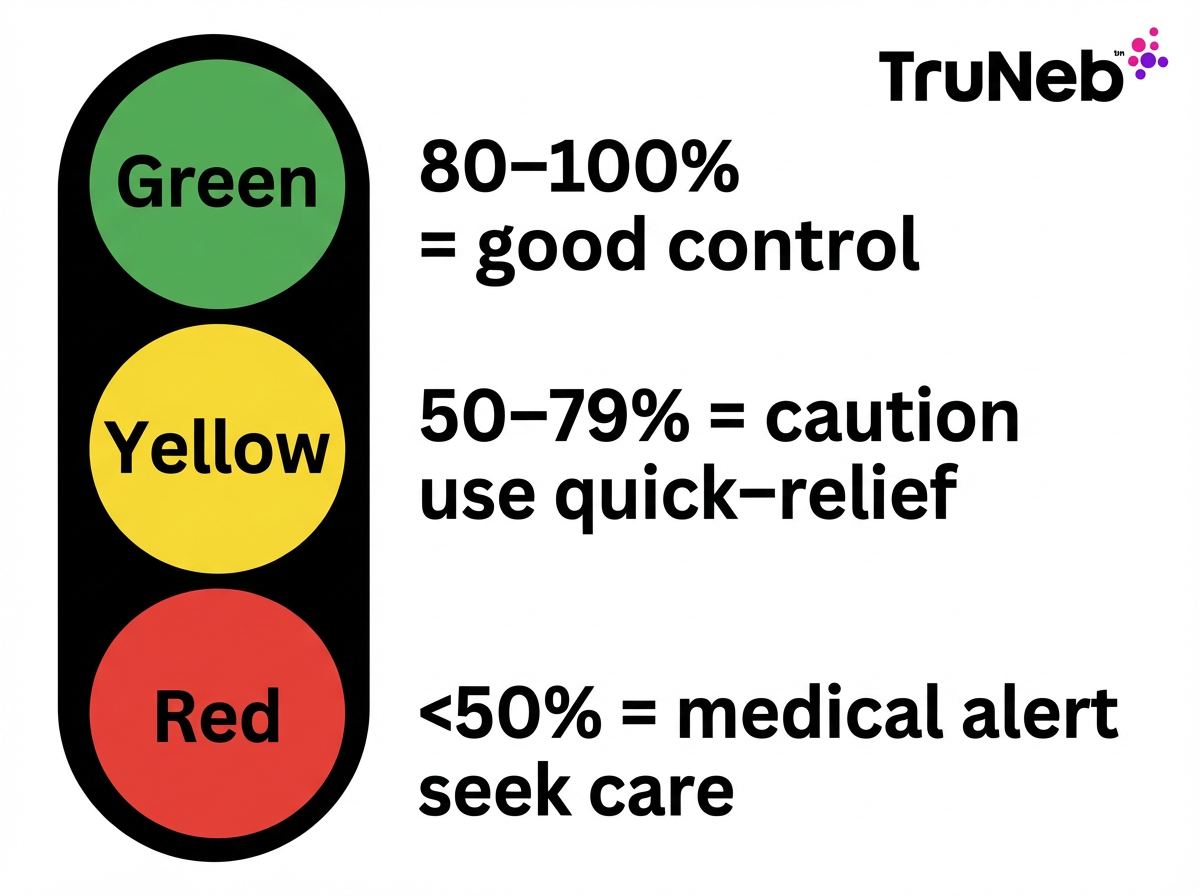
Your results fit into three color zones based on a percent of your personal best.
Green Zone: 80 to 100 percent of personal best. Airways are open and control is good. Keep your usual controller medicines and daily routine.
Yellow Zone: 50 to 79 percent. Airways are narrowing. Follow the quick-relief steps in your asthma action plan, such as using your quick-relief inhaler or a nebulizer treatment as prescribed. Cut back on triggers and recheck your peak flow in about 15 to 20 minutes. If you stay in yellow or feel worse, follow the next step in your plan or call your doctor.
Red Zone: Less than 50 percent. This is a medical alert. Your red zone instructions usually tell you to use your rescue medicine right away. If you don’t improve quickly or feel very short of breath, follow your emergency plan and get medical care. If you can’t talk in full sentences or your lips look blue, call 911 or seek emergency care immediately.
Always pay attention to how you feel, not just the number. Don’t rely only on the reading—if you feel much worse even when your number is in the green, follow your plan or call your doctor.
Key point: Green is 80–100%, Yellow is 50–79%, and Red is under 50% of your personal best. Green means good control, Yellow means caution, and Red is a medical alert.
| Zone | % of personal best | What it means | Action plan steps |
|---|---|---|---|
| Green | 80–100% | Good control; airways open | Stay on your usual controller medicines and routine per your plan |
| Yellow | 50–79% | Caution; airways narrowing | Follow quick‑relief steps in your plan (for example, use your rescue inhaler), then recheck in 15–20 minutes |
| Red | Under 50% | Medical alert | Follow red‑zone steps in your plan right away; this usually includes using rescue medicine and seeking urgent care |
Note: Always follow your asthma action plan and your doctor’s advice. If severe symptoms persist or you can’t speak in full sentences, call 911 or seek emergency care immediately.
Using Your Peak Flow Readings in an Asthma Action Plan
An asthma action plan tells you exactly what to do with each zone number. Your exact steps depend on the plan your doctor created with you.
Green: Keep taking your controller medicine and keep tracking.
Yellow: Take the quick-relief steps your plan lists, such as a set number of puffs from your rescue inhaler. Avoid triggers and retest in 15 to 20 minutes. If you don’t return to green, follow your plan’s next step or contact your doctor.
Red: Follow the red zone steps in your plan right away, which usually include using rescue medicine and seeking urgent care.
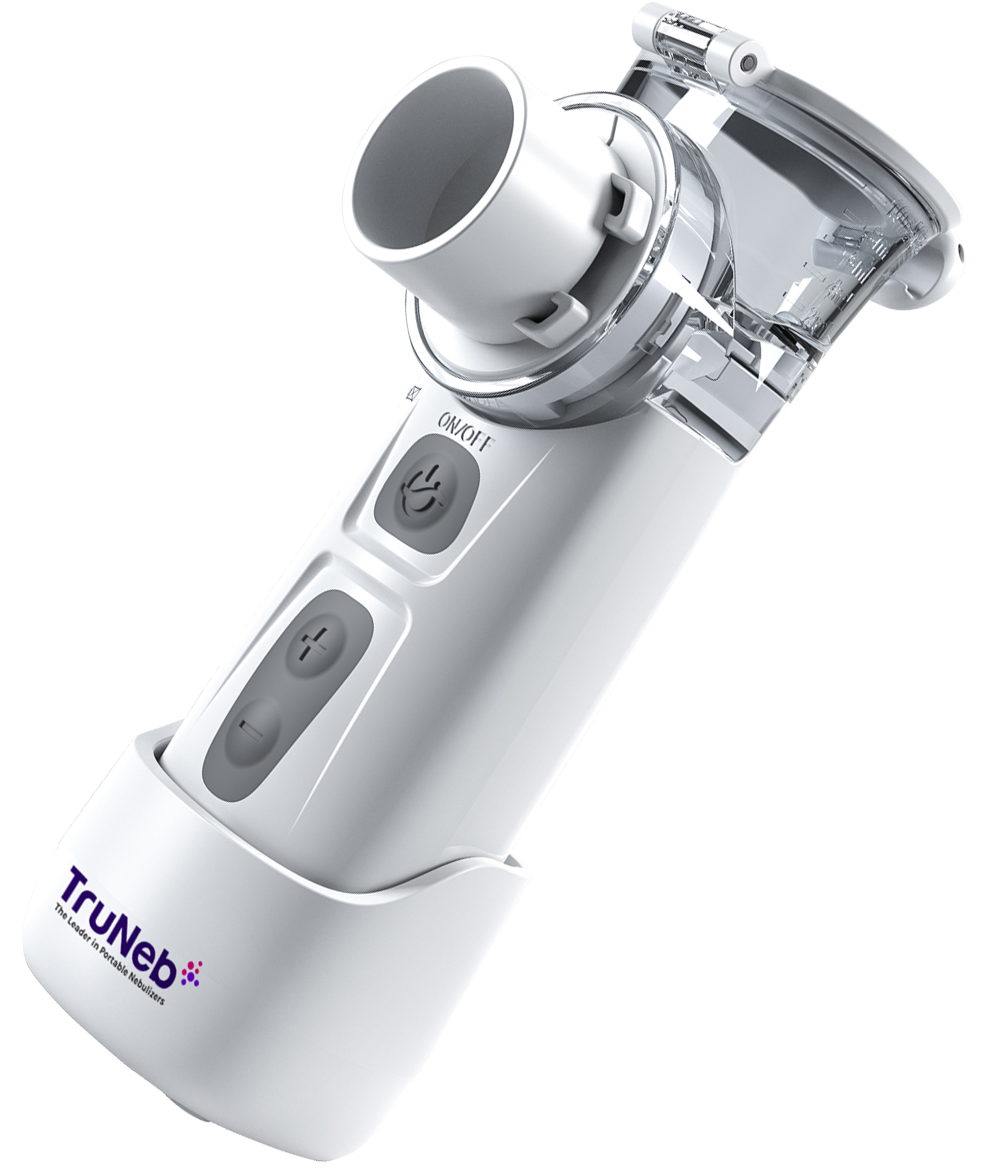
Some people use a home nebulizer when they are in yellow or red and can’t get good relief with an inhaler. A portable mesh nebulizer, such as the TruNeb™ portable mesh nebulizer, can help deliver prescribed rescue medicine or hypertonic saline for thick mucus, as directed by your doctor.
Talk to your doctor before trying a new medication.
⚠️ A peak flow meter only measures how fast you can blow air out. It isn’t an inhaler or a nebulizer and shouldn’t be used to take medicine.
Key takeaway: Your asthma action plan turns your peak flow zones into clear steps so you always know what to do.
Peak Flow Meter Charts: Predicted Normal Values by Age and Height
Peak flow charts show a predicted normal peak flow range based on age, height, and sex for people without breathing problems. They’re helpful as a general reference, but they don’t define what’s normal for you.
Two people of the same height and age can have different healthy numbers. That’s why doctors use your personal best to set your zones. Your doctor can also adjust your cutoffs to fit your history.
Use charts for context, not as a goal to chase. Your day-to-day job is to watch for drops from your personal best.
Charts show population averages. Your personal best is your true reference.
FAQs About Peak Flow Meters
Tap or click a question below to see the answer:
It depends on your age, height, and sex. Charts show averages, but your personal best is your real benchmark. Ask your doctor to confirm your zones based on your personal best.
A red zone reading, less than 50 percent of your personal best, is a medical alert. Use rescue medicine and follow your emergency plan. If you’re not improving or feel very short of breath, call 911 or seek emergency care immediately.
Many children under 5 can’t do a reliable test. Your pediatrician can help you decide when to start and how to teach the steps for kids.
Most peak flow meters are sold over the counter. Your doctor can recommend one and teach you how to use it correctly.
A peak flow meter is a simple home tool that measures how fast you can blow out. A spirometer is a clinic test that measures multiple lung values in detail. Peak flow is one part of spirometry.
Follow your device directions for cleaning; most meters are washed weekly with mild soap and warm water, then air-dried completely.
⚠️ Disclaimer: This article is for informational purposes only and is not a substitute for professional medical advice, diagnosis, or treatment. Always talk to your doctor about your symptoms, test results, and treatment plan.