

On this page
Understanding Your Mesh Nebulizer and How It Works
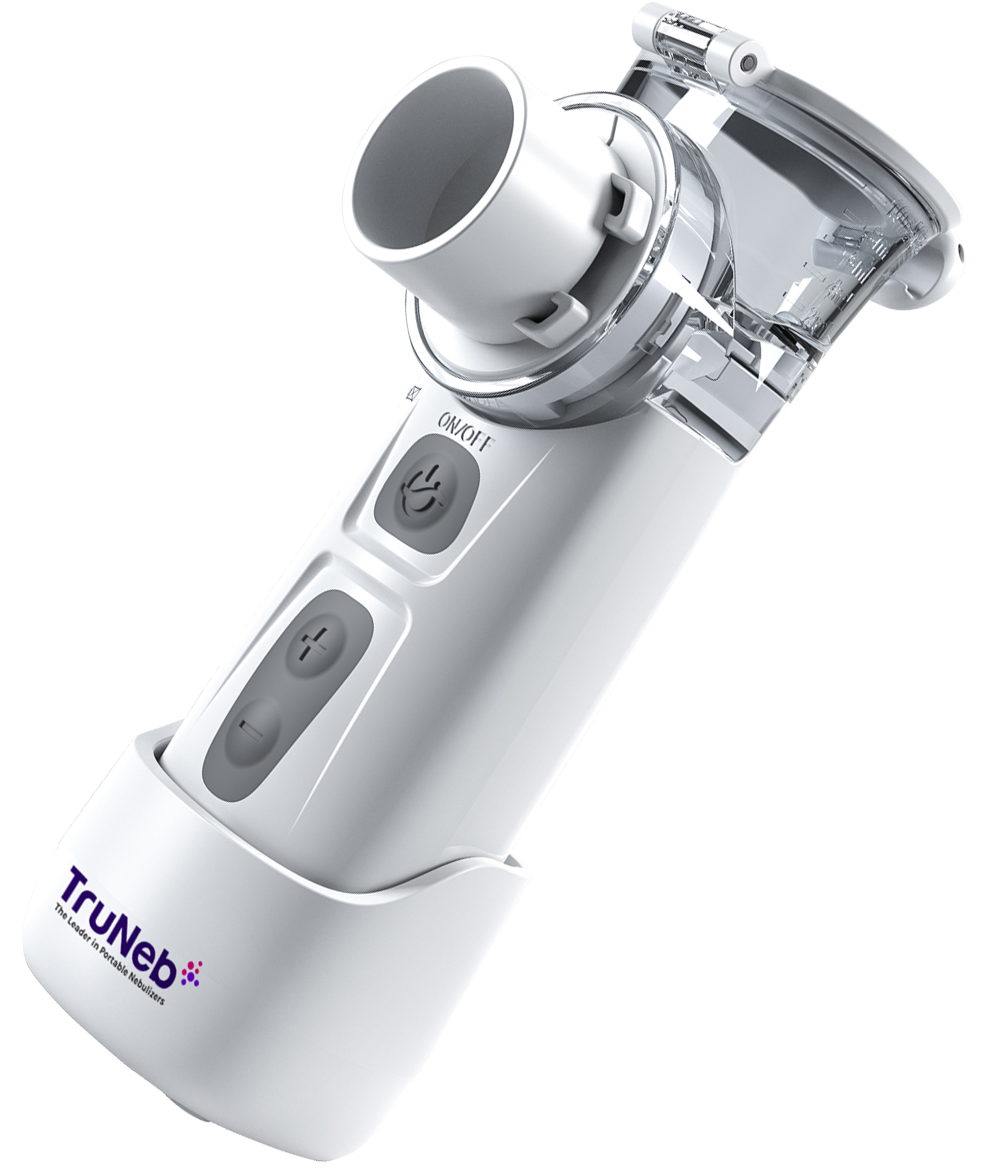
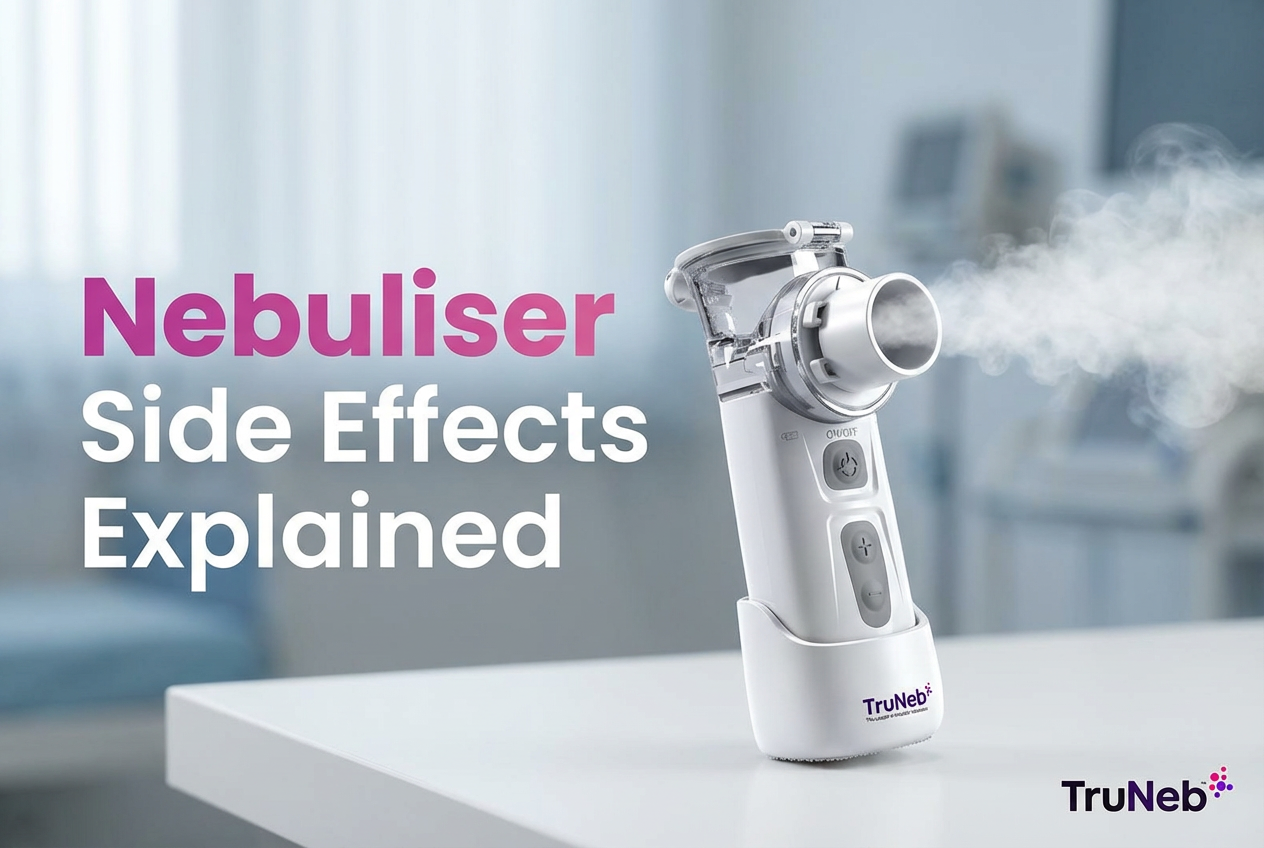
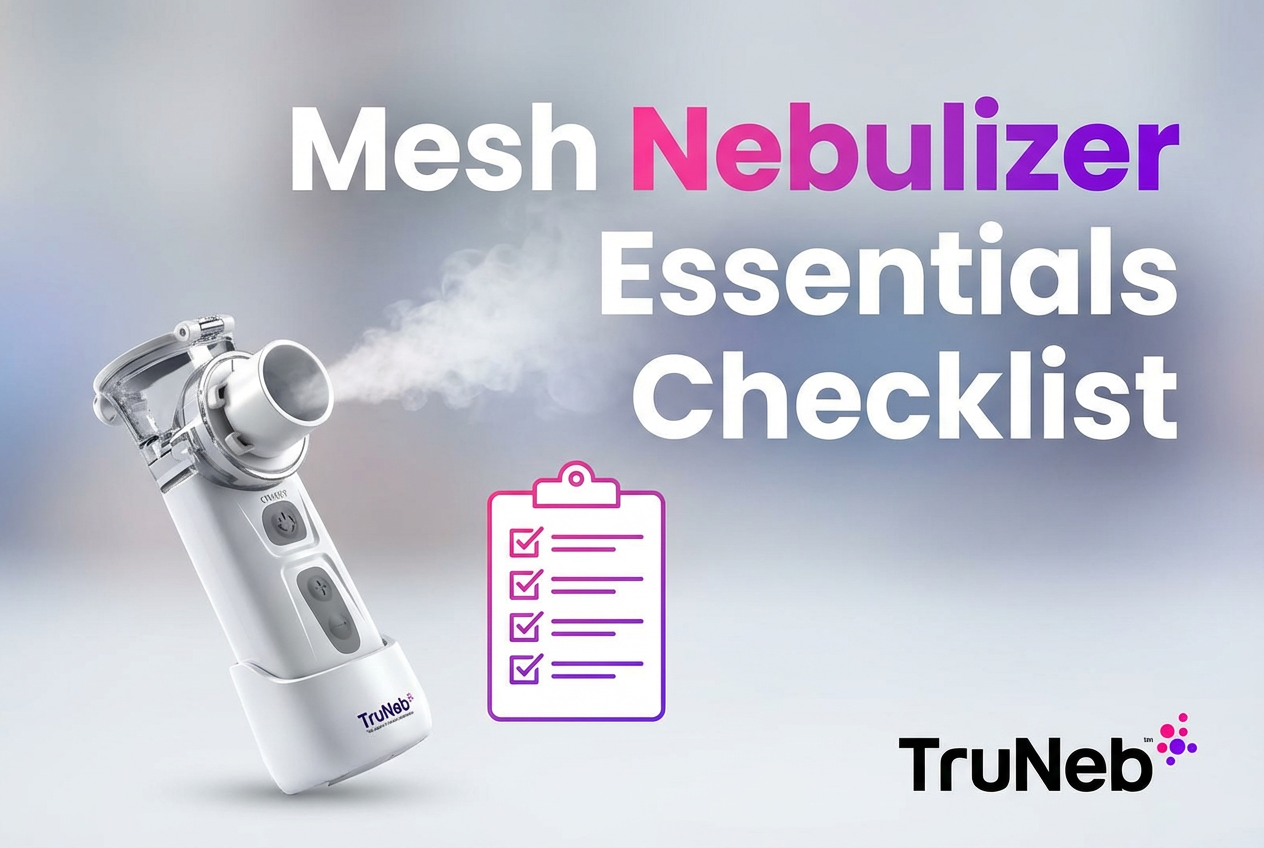
A mesh nebulizer turns liquid medicine into a fine mist using a tiny vibrating metal plate with microscopic holes. That mist is easy to inhale and can reach deep into your lungs. It typically creates droplets around 3–5 microns, small enough to reach the lower airways. This guide shows you how to get the most out of your mesh nebulizer.
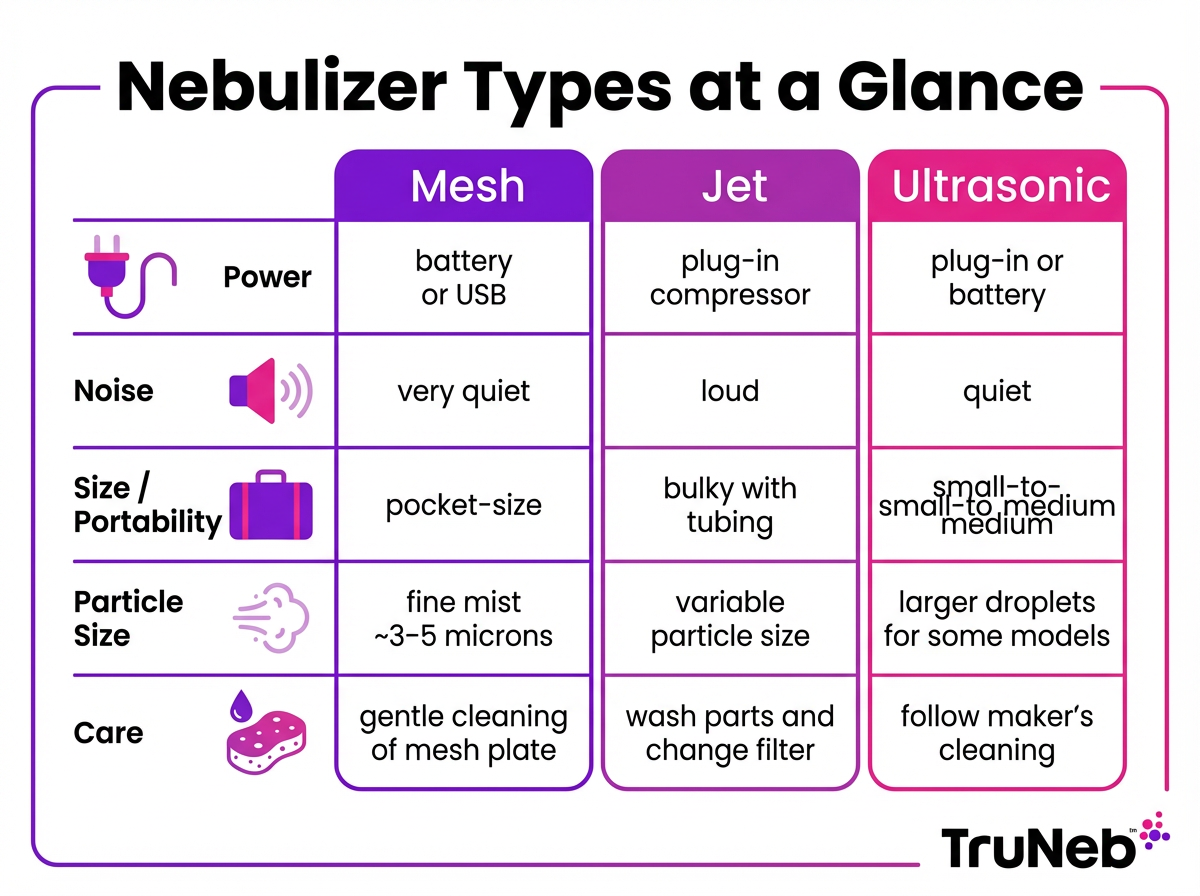
How it differs from a jet nebulizer: jet models use a loud air compressor and tubing. Mesh devices are small, quiet, and portable, usually powered by USB or batteries. You might also see ultrasonic nebulizers, which use sound waves to create mist and can produce larger droplets than mesh models. Research shows mesh nebulizers can deliver medicine as effectively as jet models when you use good technique and keep the device clean. Because the mesh plate is delicate, regular cleaning helps prevent clogs and keeps the mist strong.
Example: a portable mesh nebulizer like the TruNeb™ portable mesh nebulizer is built for quiet, on-the-go treatments.
Compare nebulizer types (mesh vs jet vs ultrasonic)
| Type | Power | Noise | Portability | Typical droplet size | Care |
|---|---|---|---|---|---|
| Mesh | Battery or USB | Very quiet | Pocket-size | ~3–5 microns | Gentle cleaning of mesh plate |
| Jet | Plug-in compressor | Loud | Bulky with tubing | Variable | Wash parts, change filters |
| Ultrasonic | Plug-in or battery | Quiet | Small to medium | Larger for some models | Follow manufacturer guidance |
Note: Medication compatibility varies by model. Check your device manual.
One-liner: A mesh nebulizer uses a vibrating mesh to create a fine, deep-reaching mist.
Preparing for a Nebulizer Treatment
Here’s how to use a mesh nebulizer safely and effectively:
- Wash your hands. Make sure parts are clean and dry from last time.
- Check battery or charge level. Assemble the cup and mouthpiece or mask with tight seals. Check the minimum and maximum fill lines in your manual to avoid under- or overfilling the cup.
- Measure the exact dose your doctor prescribed. Pour the unit-dose vial into the cup. Check expiration dates, and don’t reuse opened single-use vials unless the labeling clearly allows it.
- Only use medicines and sterile saline made for nebulizers. Don’t add tap water or home mixes. If your doctor prescribes hypertonic saline for thick mucus, use the strength and schedule they recommend (such as 3% or 7%) with sterile prefilled vials.
- Sit upright with your head up and shoulders relaxed. Place the mouthpiece between your lips (or fit the mask snug). Turn the device on.
- Don’t share masks or mouthpieces between people. If a device is shared, each person should have their own mask or mouthpiece to reduce infection risk.
Safety note: Talk to your doctor before trying a new medication or changing any dose.
One-liner: Set up clean parts, the right dose, and an upright seat before you start a nebulizer treatment.
Mastering Your Breathing Technique
- Breathe in slowly and deeply through your mouth. Hold 1–2 seconds if comfortable, then exhale fully. A slow, steady pace helps medicine reach deep into your lungs.
- If you’re wondering whether it’s better to inhale nebulizer mist through your nose or your mouth, the answer depends on what you’re treating. For lung problems like asthma, COPD, or bronchitis, use the mouthpiece and breathe through your mouth. For doctor-ordered sinus treatments with a nasal adapter, breathe through your nose and hold briefly. Don’t switch back and forth during a treatment.
- Posture matters. Sit upright and avoid slouching or lying flat. Keep the device level so the cup doesn’t spill and the mist stays steady. Try gentle diaphragmatic (belly) breathing: let your belly rise as you inhale and fall as you exhale.
- Finish the full dose. Most sessions take about 5–10 minutes. Continue until the mist stops and the cup is empty. Do not nebulize while sleeping—breathing is too shallow and medicine is wasted.
One-liner: Sit upright and take slow, deep breaths through your mouth so the medicine reaches your lungs.
Choosing the Right Medication and Solution
- Use only medicines and sterile saline prescribed for nebulizers. Common options: bronchodilators (quick relief), inhaled steroids (control), and normal saline (moistens airways).
- If your doctor prescribes hypertonic saline for thick mucus, use the strength and schedule they recommend (for example 3% or 7%) with sterile prefilled vials. Hypertonic saline can help thin thick mucus by pulling water into the airways when your doctor recommends it. Doctors sometimes use it for conditions like cystic fibrosis or bronchiectasis to help clear thick mucus.
- Don’t put essential oils, tap water, or home remedies in your nebulizer. These can harm your lungs and damage the mesh.
- Only mix medicines if your doctor or pharmacist says it is safe. Otherwise, take them as separate treatments.
- Check expiration dates on vials. Avoid reusing opened single-use vials unless the labeling clearly allows it.
- Use every drop. A gentle swirl or light tap on the cup can help finish the last bit of solution.
- If you’re unsure what to put in a mesh nebulizer, ask your doctor or pharmacist.
Medical caution: Talk to your doctor before starting hypertonic saline or changing any medication plan.
One-liner: Only use prescribed nebulizer solutions, avoid oils and tap water, and finish every drop.
Avoiding Common Nebulizer Mistakes
- Slouching or reclining during treatment. Sit upright so your lungs can fully expand.
- Breathing too fast or shallow. Slow down and take deep, steady breaths through your mouth for lung treatments.
- Loose mask or mouthpiece. Seal your lips or tighten the mask so mist doesn’t leak out.
- Nebulizing while sleeping. Shallow breathing wastes medicine.
- Skipping cleaning. Residue can clog the mesh and grow bacteria or mold.
- Sharing masks or mouthpieces without proper disinfection or dedicated parts. Each person should have their own mask or mouthpiece.
- Using unapproved liquids. Only use medicines and sterile saline made for nebulizers.
- ⚠️ Don’t confuse steam inhalers with nebulizers—steam devices are not for breathing prescription medicines.
One-liner: Posture, slow breathing, a tight seal, and daily cleaning prevent most problems.
Cleaning and Maintaining Your Mesh Nebulizer
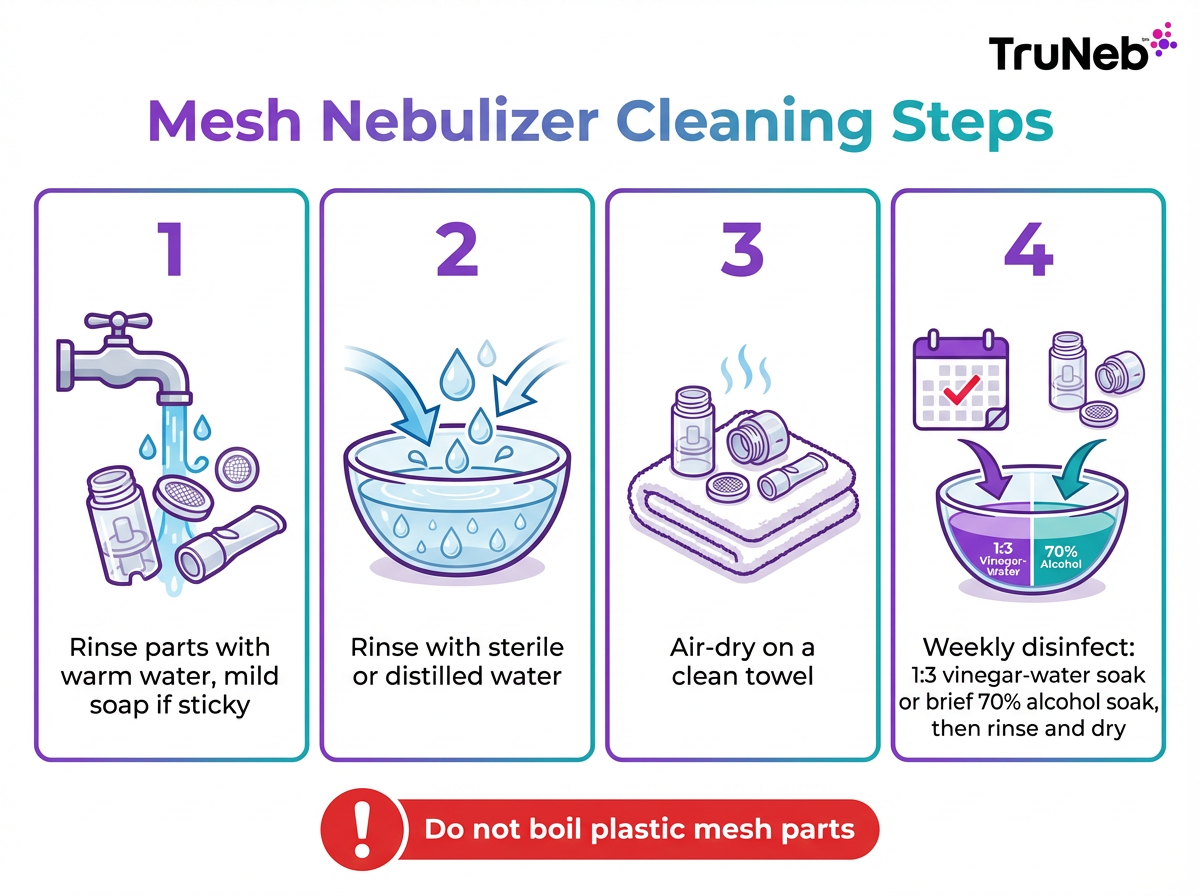
After each use: turn off the device. If it’s plugged in, unplug or power off the base. Disassemble the cup and mouthpiece or mask. Rinse parts with warm water. If the medicine is sticky, wash with mild dish soap, then rinse well with sterile or distilled water. Shake off excess water and air-dry on a clean towel. Do not scrub or poke the mesh holes. Skipping cleaning can let bacteria or mold grow in the device, which can raise your risk of lung infections.
Daily: if you use the device multiple times a day, do one thorough soap-and-water wash, then rinse and air-dry completely. Do not submerge the electronic base in water.
Weekly: disinfect parts you can soak (not the electronic base). If allowed by your manual, soak in a vinegar solution (1 part white vinegar to 3 parts water) or briefly in 70% isopropyl alcohol, then rinse with sterile water. Do not boil plastic mesh parts unless the manual says it’s safe. If you’re sensitive to vinegar or alcohol fumes, talk to your doctor or your device maker about other approved disinfection options.
Drying and storage: let parts air-dry fully. You can run air through clean parts for a few seconds to speed drying if your device allows. Store in a clean, sealed container. Replace worn masks or mesh heads as recommended.
One-liner: Rinse after each use, disinfect weekly, and never poke the mesh—clean parts keep your mist strong and safe.
Troubleshooting Low Output or Device Issues
- No or weak mist: charge or replace batteries, reassemble parts tightly, and check the fill level. A clogged mesh can also reduce mist—clean the cup and mesh as directed. Never scrape the mesh.
- Stops mid-treatment: it can have an auto-timer, low battery, or overheat protection, or the cup may simply be empty. Restart it, recharge, let it cool, or refill if the cup is empty, then finish the dose.
- Strange taste or irritation: clean the device and confirm you used the correct, unexpired solution. If symptoms continue, stop and call your doctor.
- Child not cooperating: use a child-size mask and a calm routine. Keep the child upright and awake (see “Making Nebulizer Therapy Easier for Children” for more tips).
If problems continue after cleaning and charging, contact the manufacturer’s support. If treatments don’t improve symptoms, talk to your doctor.
⚠️ If you have severe trouble breathing, chest pain, blue lips or face, or confusion, call 911 or seek emergency medical care right away. If your symptoms don’t improve with treatments or you need your nebulizer more often than your doctor prescribed, schedule a visit to review your plan.
One-liner: If the mist is weak, first charge your nebulizer, check the assembly, and clean the mesh.
Tips for Using a Mesh Nebulizer On the Go
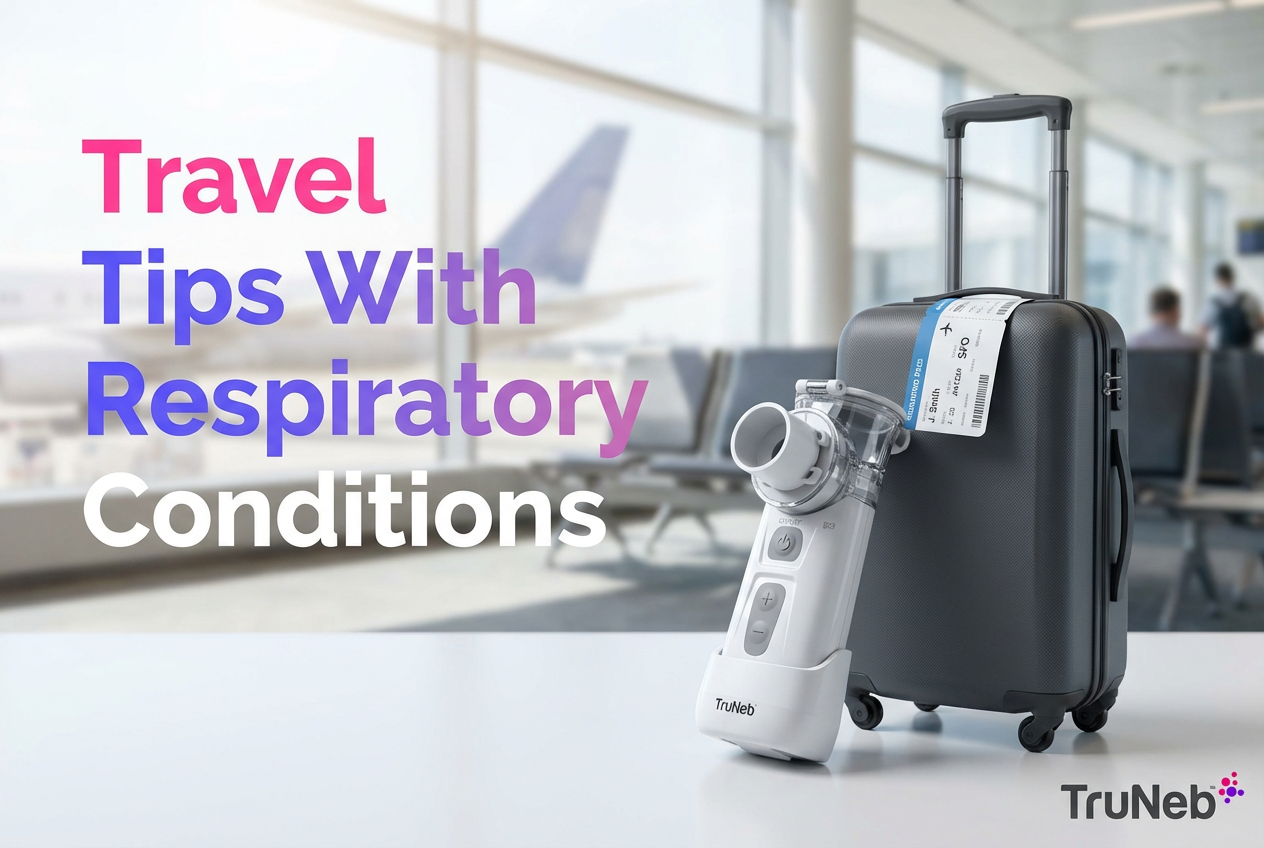
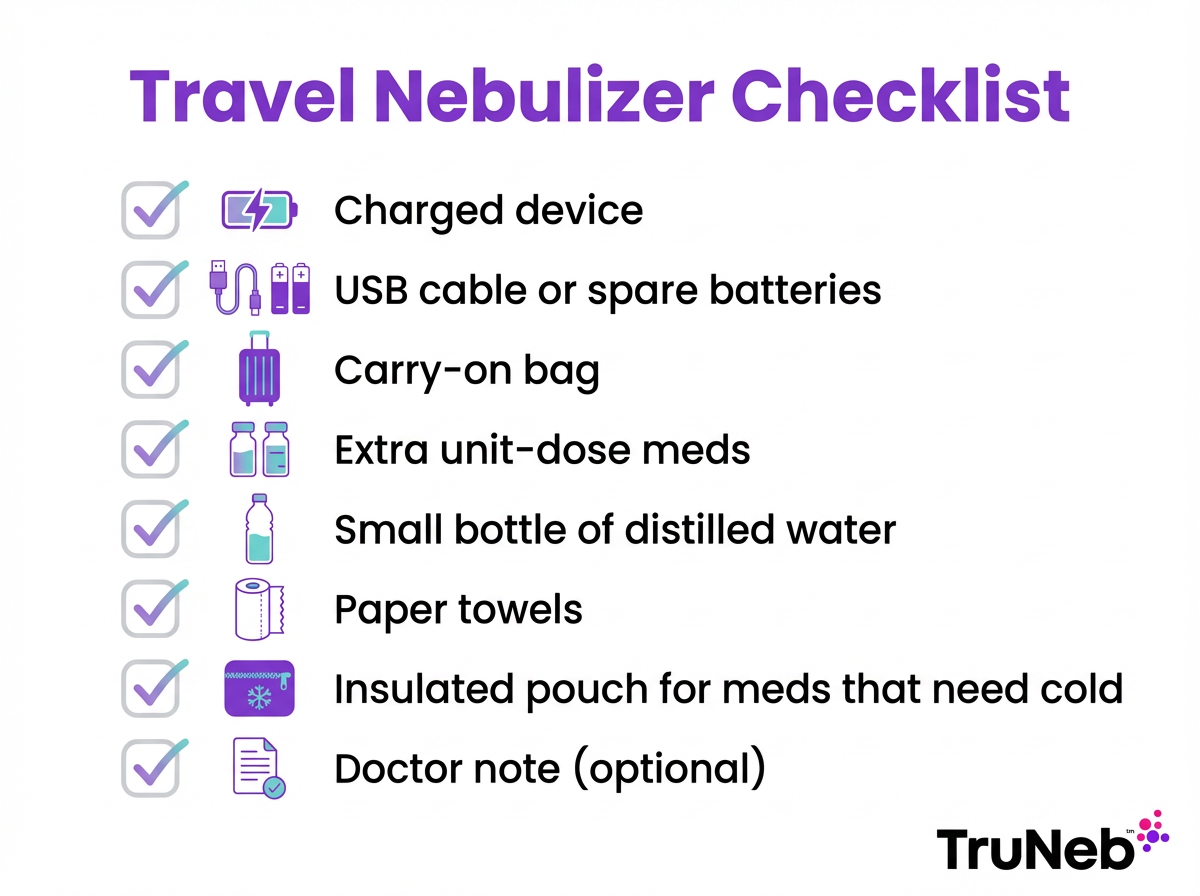
- Pack your device and meds in your carry-on when flying. Nebulizers are allowed as medical devices. A short note from your doctor can help at screening.
- Power plan: fully charge before you leave. Bring the USB cable or spare batteries. A small power bank helps on long days.
- Carry extra unit-dose vials. Keep them out of direct heat. If a medicine needs refrigeration, use a small insulated pouch with a cold pack. Keep a copy of your prescriptions or a medication list in your bag.
- Rinse parts after use, even on travel days. Bring a small bottle of distilled water and a few paper towels. Do a full disinfect when you reach your hotel or home.
- A quiet mesh nebulizer like TruNeb is easy to use discreetly in a car, airport, or plane seat.
One-liner: Charge your nebulizer, pack extra medication vials, and keep a small cleaning kit in your carry-on.
Making Nebulizer Therapy Easier for Children
- Use a child-size mask and hold your child upright on your lap. Keep sessions calm and short. This also applies to babies and toddlers—hold babies upright on your lap and follow your pediatrician’s guidance.
- Show first, then try. Let the child touch the mask and see you hold it to your face. Praise each small step. Sticker charts help with daily routines.
- Mesh nebulizers are nearly silent, which helps kids stay relaxed. Clean masks regularly and replace them when worn.
- Do not try to treat a deeply sleeping child. Breathing is too shallow for a good dose. If a child’s breathing worsens during or after treatment, seek urgent care.
One-liner: A snug child mask, a calm routine, and quiet gear help kids take every breath.
Frequently Asked Questions About Mesh Nebulizer Use
Tap or click a question below to see the answer:
Yes. Research shows mesh nebulizers can deliver medicine as effectively as jet models when you use good technique and keep the device clean.
Only use medicines and sterile saline made for nebulizers, exactly as prescribed. Don’t use tap water, essential oils, or home mixes—if you’re unsure what to put in a mesh nebulizer, ask your doctor or pharmacist.
For lung treatments like asthma or COPD, breathe through your mouth using a mouthpiece. For sinus treatments with a nasal adapter prescribed by your doctor, breathe through your nose and hold briefly.
Most sessions take about 5–10 minutes. Keep going until the mist stops and the cup is empty so you get the full dose.
Generally no. Sharing parts increases infection risk. Each person should have their own mask or mouthpiece, and shared devices must be cleaned and disinfected between users as the manual describes.
Call 911 right away for severe trouble breathing, chest pain, blue lips or face, or confusion. If your symptoms don’t improve with treatments or you need your nebulizer more often than your doctor prescribed, call your doctor to review your plan.
Rinse parts after each use, air-dry, and do a weekly disinfect soak if your manual allows. Never poke or scrub the mesh holes, and don’t submerge the electronic base.
No—sit upright and stay awake so the medicine reaches your lungs.
Check your device guide. You’ll probably replace your mask every few months and the mesh head every 6–12 months, or sooner if output drops or parts crack.
Hypertonic saline can help thin mucus for some people, including those with cystic fibrosis or bronchiectasis, but it’s not for everyone. Talk to your doctor to see if 3% or 7% saline fits your plan.
Medical disclaimer: This article is for informational purposes only and is not a substitute for professional medical advice. Always talk to your doctor before starting, stopping, or changing any nebulized medication, including hypertonic saline.