

On this page
What Is Albuterol and Why Do Side Effects Occur?
Albuterol (also called salbutamol) is a short-acting beta-2 agonist bronchodilator, commonly used for asthma and COPD flare-ups. It relaxes the muscles around your airways so you can breathe easier. People use it as a quick-relief inhaler or as a nebulizer treatment. You might see it under brand names like Ventolin.
Side effects happen because a small amount of the medicine acts like a mini adrenaline rush. It mostly targets your lungs, but it can also affect your heart, muscles, and nerves. That's why you might feel shaky, notice a faster heartbeat, or have a dry, irritated throat after a dose. These effects are usually mild and short-lived.
Key takeaway: Albuterol opens airways fast, and its short-lived side effects come from an adrenaline-like effect.
Common Albuterol Side Effects
Most people only have mild, temporary effects.
- Tremors or shaking in the hands
- Nervousness or jittery feelings
- Fast heartbeat or palpitations
- Headache
- Dizziness or lightheadedness
- Dry mouth, sore throat, or throat irritation
- Cough or a bad taste in the mouth
- Trouble sleeping if taken late in the day
- Mild rise in blood pressure
- Muscle cramps
- Nausea or upset stomach
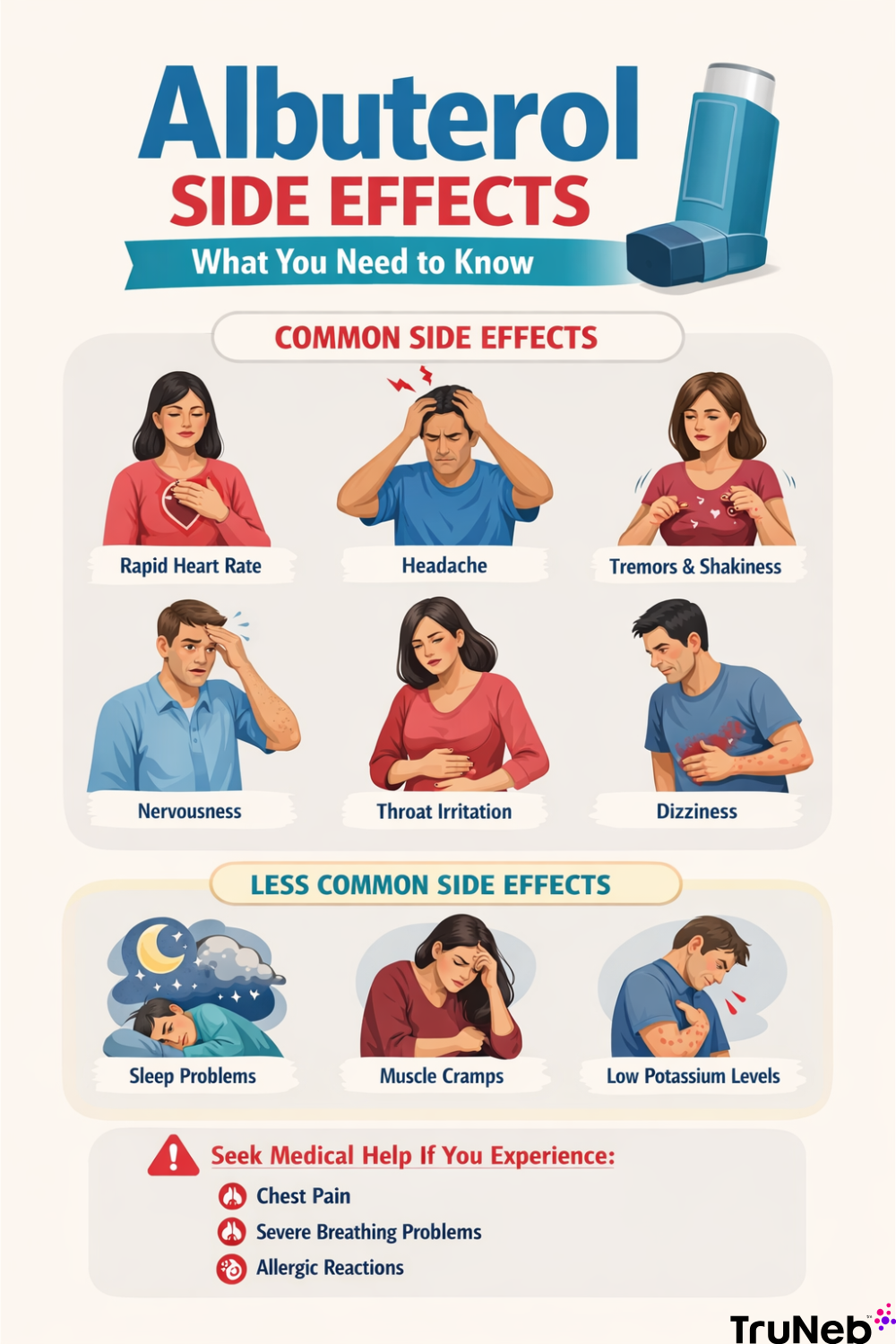
These usually fade as the dose wears off. Kids sometimes seem restless or more excitable for a short time. Adults tend to notice hand tremors more. If a side effect feels so strong you can't hold a cup, or doesn't fade after a few hours, contact your doctor.
Key takeaway: Shakiness, jitters, a faster heartbeat, and throat irritation are common side effects of albuterol and usually fade within hours.
Serious Albuterol Side Effects and When to Seek Medical Help
Albuterol is generally very safe when used as prescribed. Call for medical help right away if you notice any of these red flags:
- Chest pain or pressure
- Very fast or irregular heartbeat
- Fainting or severe dizziness
- Signs of an allergic reaction: rash, hives, swelling of the face, lips, tongue, or throat, or trouble swallowing
- Wheezing or breathing that gets worse right after a dose (paradoxical bronchospasm)
If you have a severe reaction or throat swelling, call emergency services.
Safety note: Talk to your doctor before trying a new medication or changing how you use your current inhaler or nebulizer.
⚠️ If you have chest pain, a very fast or irregular heartbeat, throat swelling, or breathing that suddenly gets worse after albuterol, call 911 or your local emergency number right away.
Key takeaway: Chest pain, irregular heartbeat, swelling, or worse breathing after a dose are emergency warning signs.
How Long Do Albuterol Side Effects Last?
Most side effects are short-lived. Shakiness and a faster heartbeat tend to show up quickly, then fade within 30 minutes to 2 hours. For many people, side effects are gone by 2 to 6 hours. The breathing relief usually lasts about 4 to 6 hours. Oral forms (tablets or syrup), if used, last longer, and their side effects can last longer too.
If you took a larger dose or had back-to-back treatments, the jittery feeling can last longer but should still pass. If a symptom lingers well beyond the day or is severe, contact your doctor—especially if symptoms like chest pain, severe dizziness, or breathing problems last more than a few hours.
Key takeaway: Most albuterol side effects fade within 2 to 6 hours while breathing relief lasts about 4 to 6 hours.

Inhaler vs Nebulizer: Does Delivery Method Affect Side Effects?
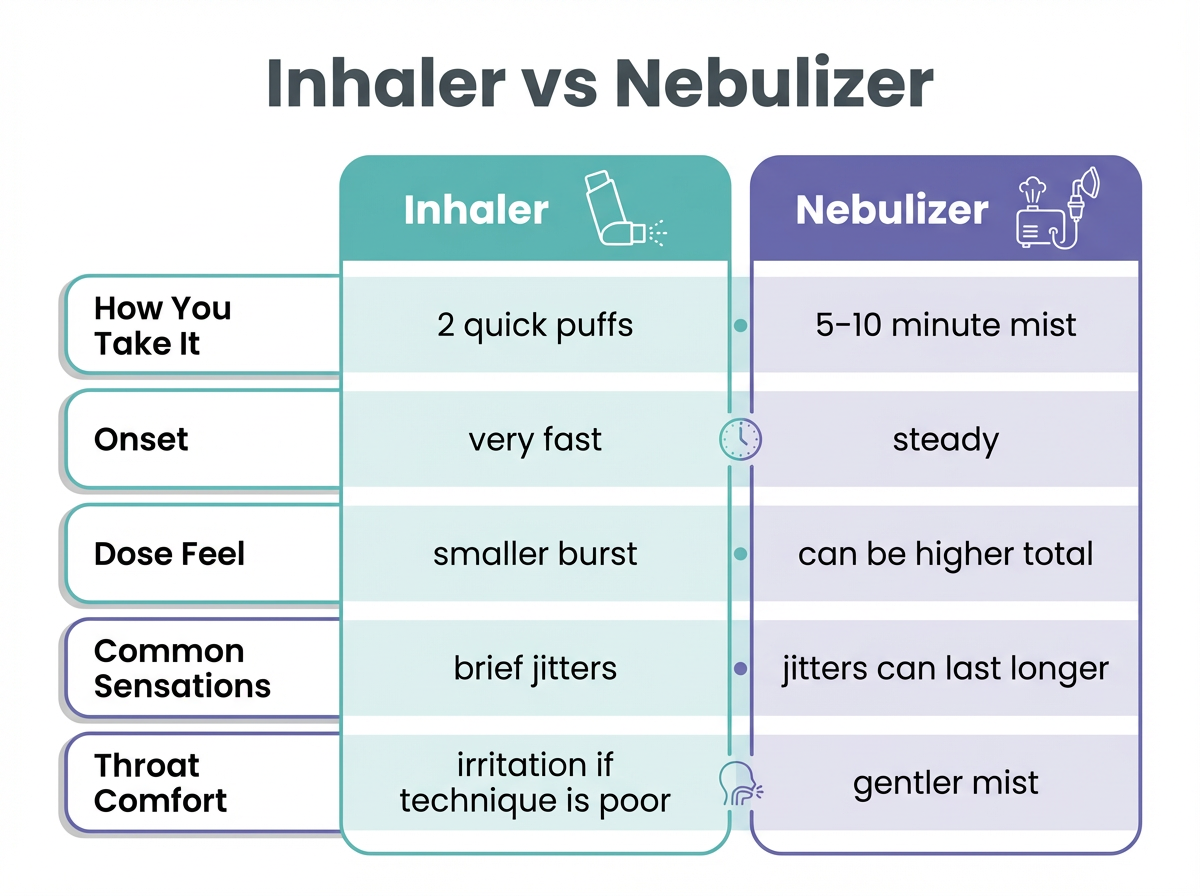
The medication is the same, but the experience can feel different.
Inhaler (MDI): A quick, concentrated burst you breathe in with a deep inhale. Effects arrive fast. Good technique matters. A spacer can reduce throat irritation and help more medicine reach your lungs.
Nebulizer: A steady mist you breathe for several minutes. The total delivered dose can be higher than a few inhaler puffs, so some people feel jitters or a fast heartbeat for longer. Others find the mist gentler on the throat and easier during a flare.
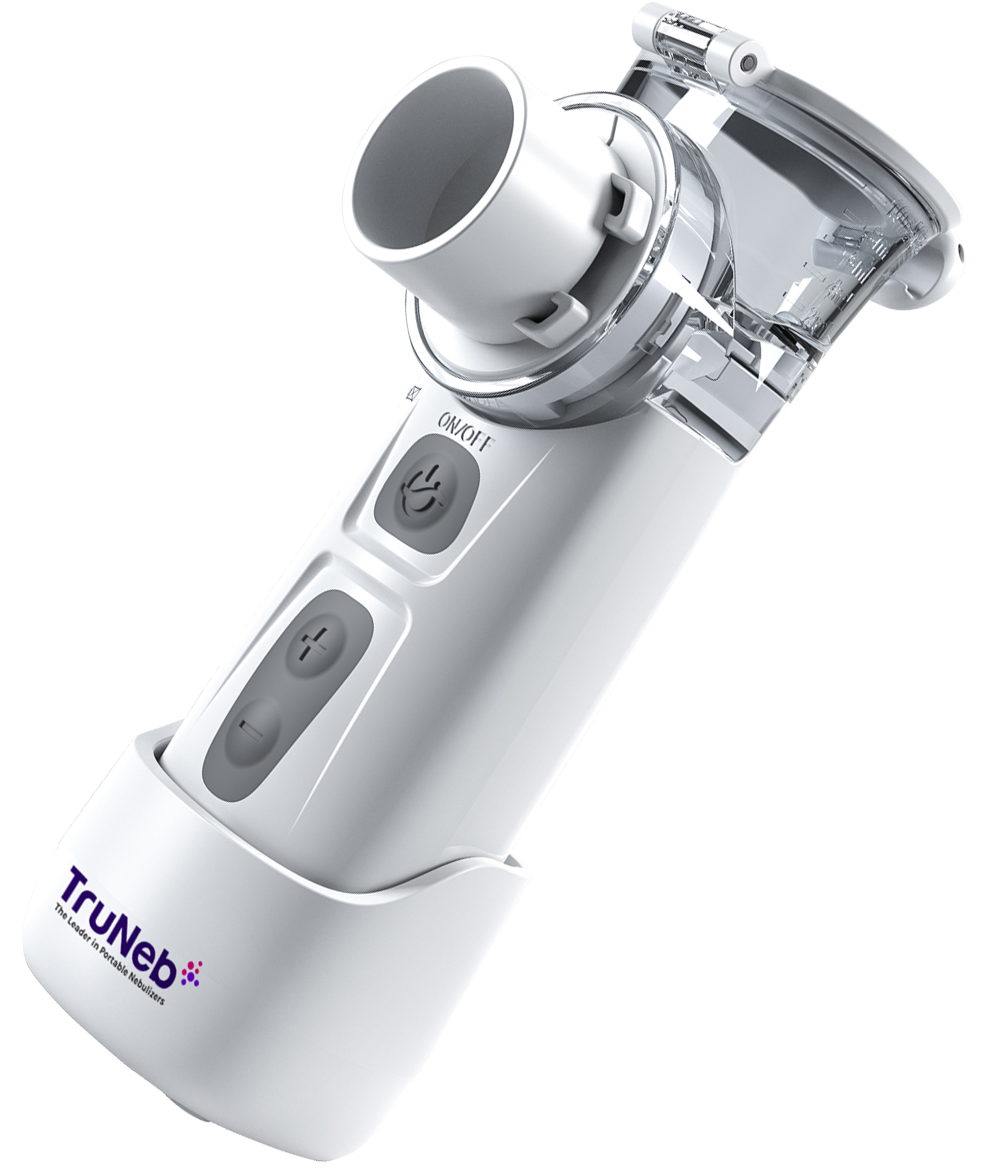
TruNeb™ portable mesh nebulizer is quiet and efficient, which can make treatments more comfortable. It doesn't change the medicine's side effect profile. Dose and your own sensitivity matter most. Your doctor chooses the right dose and device for your situation.
You might see devices labeled "steam inhaler" in the same aisle. These are not nebulizers and aren't meant for albuterol or any prescription medicines.
Bottom line: With correct technique and the right dose, overall side effects are similar. Use the method your doctor recommends and that you can use well.
Key takeaway: Inhalers act fast in quick bursts; nebulizers deliver a longer mist, so side effects can feel stronger or last longer when the total dose is higher.
Albuterol Side Effects in Children
Kids usually show side effects in behavior. Common reactions include:
- Restlessness or brief hyperactivity
- Tremors or shaky hands
- Fast heartbeat and facial flushing
- Trouble sleeping if taken near bedtime
These usually fade within a couple of hours. Using a quiet mesh nebulizer can lower stress during treatments and make it easier for toddlers to sit still. A well-fitted mask helps the medicine reach the lungs, not the room.
Call your pediatrician if your child seems unusually agitated, very sleepy, or if breathing doesn't improve after a dose.
⚠️ If your child is struggling to breathe, has blue lips or face, or can't speak in full sentences, seek emergency care right away.
Key takeaway: In kids, brief restlessness, shakiness, and a faster heartbeat are common and usually fade within a few hours.
Side Effects in Older Adults and People with Heart Conditions
Older adults and those with heart disease or high blood pressure tend to feel stimulant effects more strongly. You might notice more pronounced tremors, a faster heartbeat, or a temporary rise in blood pressure. Most changes are brief, but people with heart rhythm problems can be more sensitive.
Use albuterol exactly as prescribed and speak with your doctor if effects feel intense, especially if you already have heart disease or high blood pressure. Some patients try levalbuterol under a doctor's guidance if they're very sensitive.
Get medical help for chest pain, severe dizziness, or irregular heartbeat, as these can be signs of a heart problem, not just medication effects.
Key takeaway: Seniors and people with heart conditions tend to feel stronger tremors or heart effects and should use albuterol with extra care under a doctor's supervision.
Long-Term Use of Albuterol: Effects and Safety
Albuterol is not known to cause organ damage when used as directed over time. It's considered safe when you follow your asthma or COPD plan.
The bigger concern is overuse. If you need albuterol a lot, your symptoms aren't controlled. Over-reliance can lead to more flare-ups and feeling like the inhaler isn't working as well. That's a signal to review your daily controller therapy with your doctor.
Key idea: Use albuterol for quick relief. If you need it daily or many times a day, ask about adjusting your long-term treatment plan.
Key takeaway: Albuterol is safe long term when used as directed; frequent daily use is a red flag for poor control, not a new side effect.
Why Do Some People Feel Worse After Taking Albuterol?
Two things can make you feel worse:
- Side effects overshadow the relief. Jitters, a racing heart, or anxiety can feel uncomfortable even as your breathing improves. Sit, take slow breaths, and remind yourself it will pass—as long as your breathing is actually improving.
- Rare paradoxical bronchospasm. If breathing gets worse right after a dose, stop the medicine and get medical care. This is listed under the serious side effects above.
Also check your technique. If medicine doesn't reach your lungs, you won't feel much benefit. A spacer with an inhaler and a well-fitted mask or mouthpiece with a nebulizer can help.
Key takeaway: If you feel worse after albuterol, it's usually because of jitters and anxiety; sudden worse breathing after a dose is rare and needs urgent care.
Tips for Managing and Reducing Side Effects
Here are some quick ways to make side effects easier:
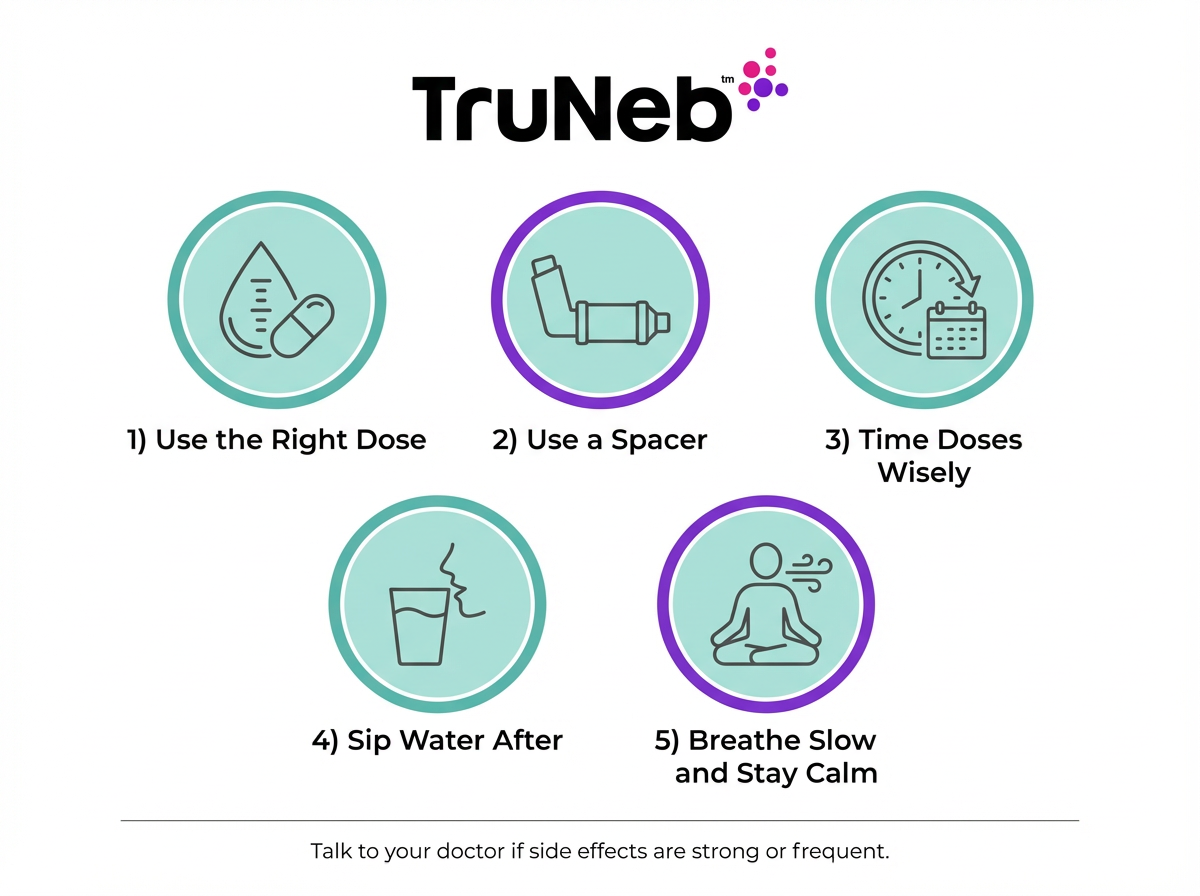
- Use only the dose your doctor prescribed. Taking extra puffs or back-to-back treatments increases side effects.
- Good inhaler technique. A spacer helps more medicine reach your lungs and can reduce throat irritation.
- Timing. If albuterol keeps you awake, avoid taking it right before bed unless your doctor told you to.
- Hydrate and relax. Sip water after a dose. Sit and breathe slowly to ride out the jitters.
- Use well-maintained, reliable equipment. A quiet, portable mesh nebulizer like TruNeb can make treatments more comfortable.
- Ask about your plan. As mentioned above, if you're relying on albuterol a lot, talk with your doctor about controller therapy. For specific lung conditions, your doctor might add hypertonic saline 3% or 7% by nebulizer to help clear mucus.
Before you change how often you use your inhaler or nebulizer, check in with your doctor.
Key takeaway: Right dose, good technique, smart timing, and calm breathing make most side effects easier to handle.
FAQs About Albuterol Side Effects
Tap or click a question below to see the answer:
Yes. Taking too much albuterol can cause severe tremors, chest pain, a pounding or irregular heartbeat, vomiting, extreme nervousness, severe muscle cramps or weakness (possible signs of low potassium), and seizures. ⚠️ If you think you or your child used too much, call 911, your local emergency number, or Poison Control right away.
Using an albuterol inhaler every day usually means your asthma or COPD isn't well controlled. Short bursts of daily use during a cold or allergy flare can happen, but ongoing daily dependence is a sign to talk with your doctor about adjusting long-term control medicines.
Albuterol can cause a brief rise in blood pressure in some people, and it typically fades as the dose wears off. If you have high blood pressure, let your doctor know how you feel after a dose.
Yes. Doctors commonly prescribe albuterol with medicines like budesonide or ipratropium when needed. Side effects can add up—for example, more dryness from ipratropium plus shakiness from albuterol—so tell your doctor if anything feels different after starting a new medicine.
Albuterol is generally considered safe to use during pregnancy when needed. Uncontrolled asthma is a bigger risk than the medicine. Always discuss your plan with your pregnancy doctor (OB) and use medicines exactly as prescribed.
Disclaimer: This article is for informational purposes only and isn't a substitute for professional medical advice, diagnosis, or treatment. Always talk to your doctor about your symptoms, medications, and treatment options.